

Call for Next Available Appointment. 855-854-2679

Call for Next Available Appointment855-854-2679

Call us to get started 855-854-2679

How to Get Rid of Bats

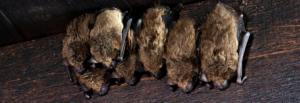
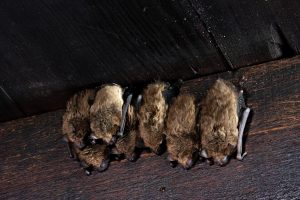
The United States is home to over 40 bat species (Arizona and Texas have the widest variety of bat species). The most common types of bats homeowners will find in their attic are the big brown bat, little brown bat, 

These colonies of bats look for safe places to roost during the maternity season.  Bats play a vital role in the local ecosystem and can help the economy. Most American bats are insectivores. One bat can eat up to 1,000 mosquitoes per hour.

How Do Bats Get into My Home?

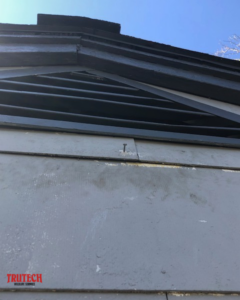
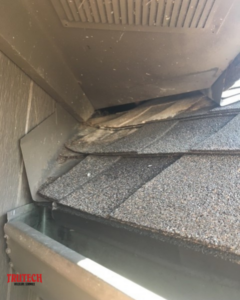
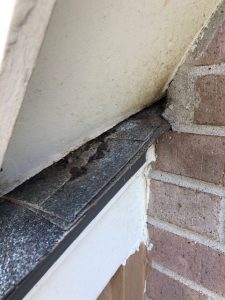
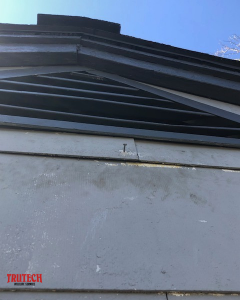
Unlike other nuisance wildlife like raccoons or squirrels, bats cannot create their own entry point. They only need a hole the size of a dime. Typical bat entry points include soffits, eaves, gable vents, and loose shingles.

Roof Access
  • Loose or damaged roof tiles/shingles: These create openings.
Vents
  • Attic vents and louvers: Unprotected vents are vulnerable.
  • Chimneys: Open or uncapped chimneys.
  • Bathroom and dryer vents.
gable vent bat entry point
Bat Entry Point in Gable Vent
Solar Panels

Roosting under on-roof solar panels

Siding
  • Under loose siding.
  • Cracks and crevices in walls.
  • Areas where utility lines enter.
Windows and Doors
  • Gaps around window and door frames.
  • Damaged or torn screens.
Soffits and Roof Returns

Bat entry point soffit

  • Roof eaves and soffits: Gaps along these areas are prime entry points.
Signs of a Bat Infestation

You probably won’t see any bats roosting inside your attic, but you might notice them flying out of your house. At dusk, you might see bats flying out of your attic from gaps along the roofline, near vents, or out of the chimney.

Most Common Signs of Bats

  • Hearing bat noises or sounds

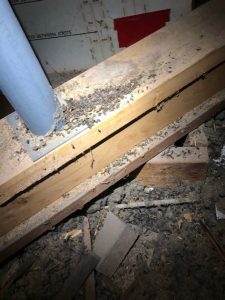
  • Finding piles of guano

  • Discovering rub marks on exterior walls

  • Noticing a strong scent of ammonia, especially in the attic.

Bat Noises

Bats make sounds that are two or three times higher than humans can hear. When the flying mammals use echolocation, humans are only sometimes able to make out very quiet clicks or squeaking noises. You might hear bats flying when they leave or return. As flying mammals, bats make fluttering noises with their wings. If you hear scratching, that could mean bats are climbing.


Bat Guano

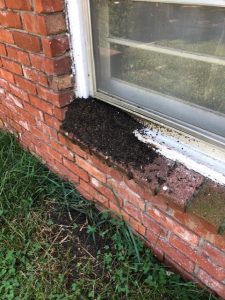
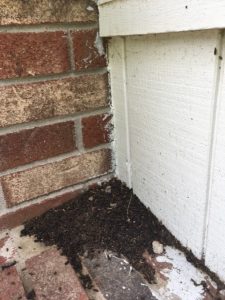
Bats defecate where they roost, and piles of guano (bat feces) will accumulate.  Bat droppings have a pungent, musty, acrid aroma. It can stain walls and ceilings and weaken the structural integrity of your home. 

If you suspect bats, be careful while investigating. It is extremely important to wear a respirator and other personal protective equipment when in an attic containing bats. Bat droppings are known to have fungal spores that can cause histoplasmosis.  Histoplasmosis is a respiratory infection linked to bat guano. The fungus Histoplasma grows in guano, and when disturbed, it is possible to breathe in the airborne spores.

Smudge Marks

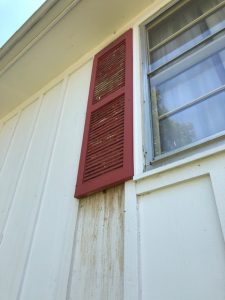
Marks on the side of your house can be a sign of bats. In the first picture, bats roosted in this home’s shutters. The smudges under the shutter are guano.

Because bats roost upside down, they are covered in their own feces and can carry parasites like mites. When bats squeeze into your home, they leave behind smudge or rub marks. 

How to Get Rid of Bats

There are six species of bats that are federally protected. It is a federal violation to use chemicals including insecticides, rodenticides, and mothballs for bat extermination. Most states have restrictions on when bats can be removed.

If a bat is in your living space, the top priority is to keep you as well as the bat safe, especially given the risk of rabies. Bats should never be handled with bare hands. Our wildlife specialist will use gloves specifically designed to handle animals and ensure the bat is safely released outdoors.

Humane Bat Removal

The most effective and humane way to remove bats is by using a bat valve in conjunction with a full home exclusion. A bat valve (either a tube or plastic netting) allows bats to exit your home but not re-enter. 

Once the bat valve is installed, all other entry points will be sealed, allowing bats to exit only through the one-way door. The removal process typically takes 3-7 days. Our specialist will perform a final attic inspection before removing the valve. After removing the valve, seal the final entry point.

Each bat removal is unique, so you need to create or use a bat valve specifically for your situation, sometimes in coordination with installing bat boxes nearby. Most of the time, you only need one bat valve.

Why Does DIY Bat Control Fail?

Bats choose roosting sites that are sheltered and close to food and water. Not only will they return to the same place night after night; some bats will return to the same place year after year. 

Home remedies and products do little to dissuade a bat from leaving an area with shelter, food, and water. 

Toxicants or Pesticides

Currently, no toxicants, pesticides, or other chemicals are registered for use in getting rid of a bat. The Environmental Protection Agency approved naphthalene for bat removal at one time. However, it is incredibly harmful to humans.

Odor repellents, like ammonia and essential oils, may work, but there is no guarantee. Some bats may tolerate smells better than others. Some bats may stay regardless of the odor, like when they are getting ready to deliver pups. Also, you and your family will be able to smell the odor-repellent if using them in your home.

Bats do not like bright lights and only want dark spaces to roost. However, shining a bright light on a bat does not always work. It may confuse the bat or cause it to move to a different place in your home. A constant outdoor shining light will attract insects and provide a food source for bats, which could make them want to stay.

You can keep a bright LED light turned on in your attic, but unless it brightens all corners and small areas, it may not work. Plus, your electric bill will increase. Different bats require different amounts of bright lights. The brighter the light, you risk electrical hazards.

Bat Control

Because some bat colonies return to the same roost year after year, it is important to prevent bats. Bat proofing your home is the only effective way to keep bats out. Bat repellents like mothballs or aluminum foil are not effective and might be hazardous or illegal. Deterrents alone won’t keep bats away, though providing an alternative bat house on your property may encourage them to roost elsewhere.

Bat Exclusions

Bat exclusion is the most effective form of long-term bat control. Exclusions prevent bats from entering your home. Bats can squeeze into tiny holes so you need to seal all cracks, plug all holes, and use tight-fitting screens. Hardware cloth (1/4 inch or smaller), caulk, sealant, and weatherproof foam strips are excellent materials for excluding bats. It is tedious but important to locate every active and potential opening. 

Bat Prevention

Because some bat colonies return to the same roost year after year, it is important to prevent bats. Bat proofing your home is the only effective way to keep bats out. Bat repellents like mothballs or aluminum foil are not effective and might be hazardous.

Professional Bat Removal

Getting rid of bats can be tricky for the untrained individual. There are federal and state regulations about how and when you can remove bats from your home. Without proper PPE or personal protective equipment, you can put your health at risk. Without proper experience and training, it is easy to overlook a bat entry point. 

Our bat removal and control service includes safe and ethical removal with a fully covered exclusion. Once the bats are gone, our remediation services clean up and restore your attic. We remove soiled insulation and guano, apply disinfectant spray to the area, and treat the attic for any ectoparasites like mites or bat bugs. 

At Trutech Wildlife Service, our bat removal service comes with our money back guarantee. If you’re not completely satisfied, we will offer a full refund. 

Photos courtesy of Trutech Wildlife Service in Kansas City

Call to Schedule Free Bat Inspection

Bat Removal Near You

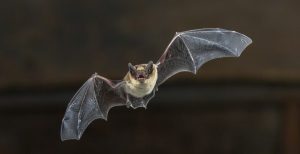
Flying Bat

Bats in Jacksonville, FL

There are 13 species of bats in Florida; several of these, including little brown and big brown bats, may be found in residential homes and
Read More »
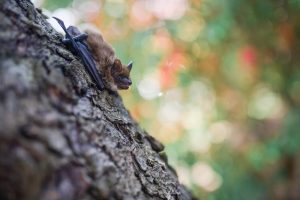
bat roosting on rafter in attic

Bats in Orlando, FL

Bats are found in nearly every geographic region in Florida. Their favorite environments include tropical forests, woodlands and open fields. Natural roosting spots include caves,

Read More »
bat roosting on rafter in attic

Bats in Kansas City

Kansas is home to fifteen species of bats, and all of them are insectivores.  Bats in Attic in Kansas City Bats in Kansas naturally roost
Read More »

Latest Posts

Categories
Still Unsure What's Causing the Problem?

Use our diagnosis tool to help you understand what animal could be infesting your attic, roof, chimney, or walls.

Thank you for subscribing! We'll be in touch.