
One of the reasons DIY rat control fails is on prevention. If you don’t protect your home after rat trapping, you will be vulnerable to future infestations. Rats reproduce quickly and will leave pheromone trails that other rats can follow. When other rat populations get too large, they can follow the trails right into your house.
How Do Rats Get Inside My Home?
A common misconception is rats won’t get into new or well maintained homes. Rats do not discriminate and can get inside any house regardless of age, condition, or cleanliness. Rats seek out secluded shelter with access to food and water. Rats only need a gap around 1 inch/2.5 cm, and they don’t need to find that size. Their strong jaws and sharp incisors can gnaw through most home construction materials.
- Gaps Around Pipes and Utility Lines
- Openings Under Doors
- Cracks in Foundations
- Vents for Attic, Crawlspace, and Roof
- Garage Doors
- Damaged soffits, Fascia, or Eaves
- Sewer Connections
- Plumbing Stacks
How Rats Get Inside the Roof
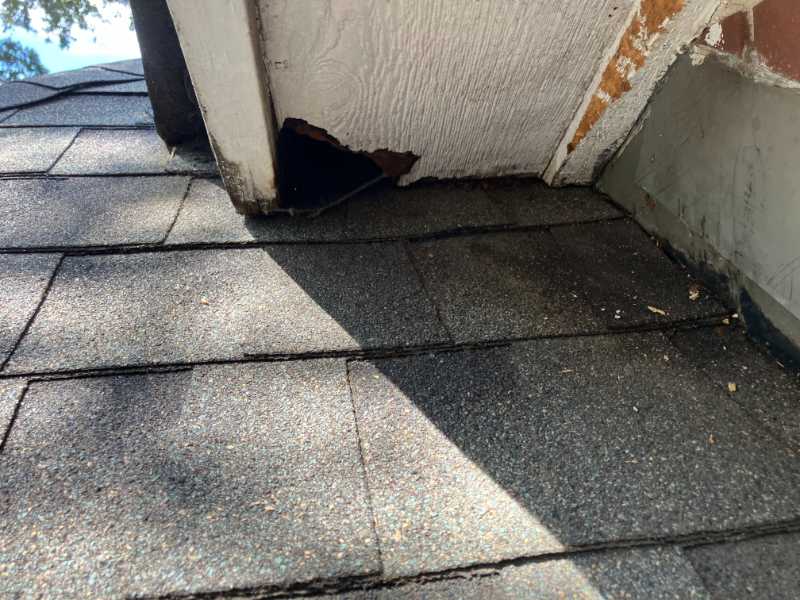
Rat gnawed larger gap into soffit under roof return.
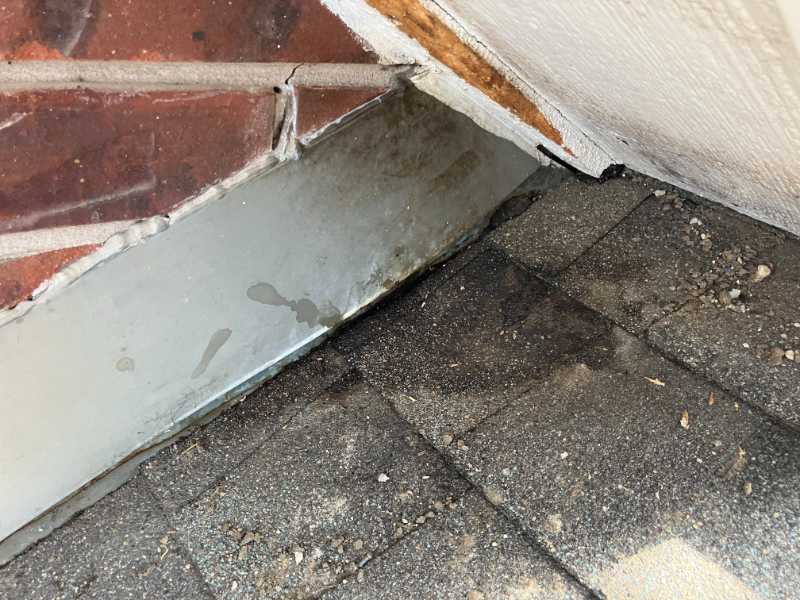
Rub marks left from oil on rats fur as the rodents squeeze into gaps and cracks along the roof.
Uncapped plumbing stack gives easy access inside the house. Rats are excellent swimmers and can swim through plumbing stacks into your house.
Unsecure gable vents.
Gnaw damage to roof ridge vent showing signs of rat activity.
Rats can climb a variety of siding materials. In this case, rats found an entry point under the house. They climbed up through this hole undisturbed to gain access to the roof and the attic.
How Rats Get Through Exterior Walls
Rats damaging exterior siding of home.
Rats create a gap in the siding in the home. After an attempted DIY repair, the rats expanded the gap.
Rats Finding Access Points
While rats can create their own gaps to get inside your home, the rodents will also take advantage of open spots around your house. For this home, rats took advantage of the gaps around the utility lines and the weep holes in the bricks.
Signs of Rat Activity in the Attic
Most people can miss the signs of rat entry points. Rats will use hidden, secluded spots of your house to get inside like on top of your roof or around your foundation. And when gaps can be the size of a quarter, it’s easy to overlook. If you do have rats, there will be other signs like noises, droppings, and damage.
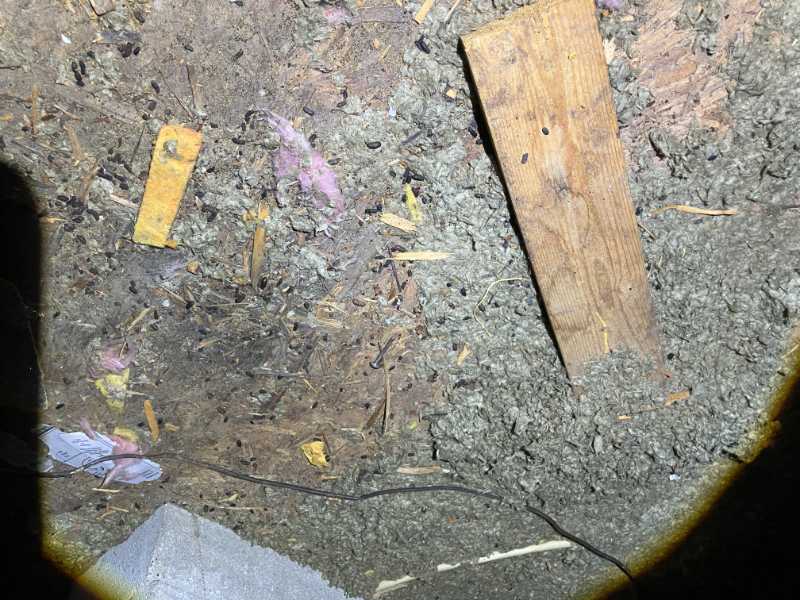
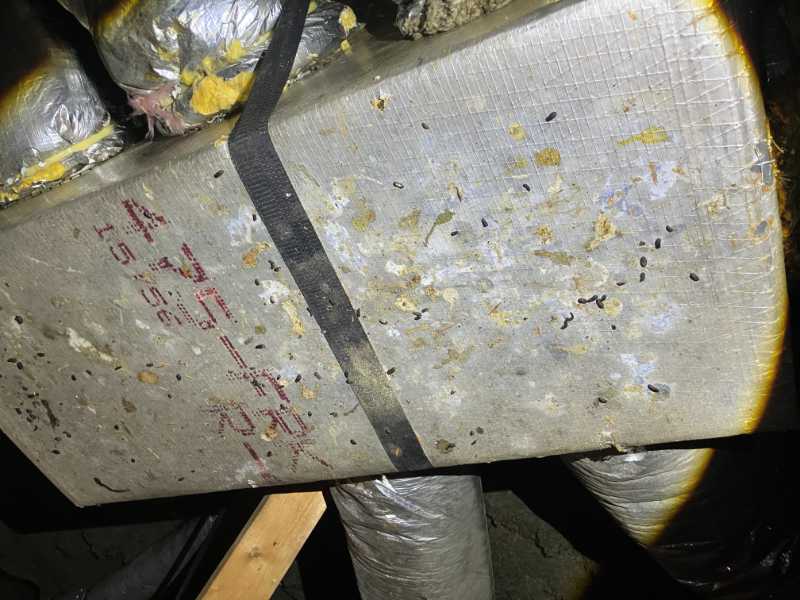
Rat Droppings and Insulation Damage
Why DIY Rat Control Fails
These are some examples for whole home inspections from our San Antonio team. Rats can find multiple ways to enter your home, and when if you block one way, they can create a new one. Our rat control process identifies every potential entry point a rat could use to get inside your home. After trapping, our rat exclusion service blocks these gaps to stop rats from entering. As an added layer of protection, we use bait stations around your property. They control the rat population outside so nothing can get inside.