


Snakes come to our yards for the same reasons other animals do: for food, water, and shelter. Most homeowners would agree that we don’t want one slithering past us as we’re gardening, let alone in our house. Understanding when snakes are active, what attracts them, and how they behave around homes can help reduce unwanted encounters and the risk of snake bites.
Snakes are ectothermic, which means they rely on their environment to regulate their body temperature. Their behavior follows an annual rhythm driven by temperature.
Snake Season in Texas
In Texas, snakes are most active from April to October.

Snake Activity Level in Spring
Spring is the season when snakes emerge from their winter brumation, a state of sluggishness during winter not as deep as hibernation. Snakes wake up from their dormancy when temperatures rise above 60 degrees with two things in mind: food and mating. They need food to replenish lost reserves. And, it’s their primary mating season. Male snakes travel far and wide across neighborhoods to track down females with which to mate. During warm, sunny spring days, many homeowners have their first sightings of the year as snake season begins in earnest.

Snake Activity in Summer
Snakes are at their most active in summer, especially in the early morning and at dusk when it’s not too hot. In very hot climates, they become almost nocturnal. Drawn to hunting prey and finding water sources that provide relief from the heat, a snake in the yard may enter basements, garages, or crawlspaces to cool off or to give birth.

Snake Activity in Autumn
Lorem ipsum dolor sit amet, consectetur adipiscing elit. Ut elit tellus, luctus nec ullamcorper mattis, pulvinar dapibus leo.

Snake Activity in Winter
Once in their shelter, their metabolic rate drops and they become lethargic to conserve energy and resources over the winter. On unusually warm winter days, they might emerge for a bit to drink water.
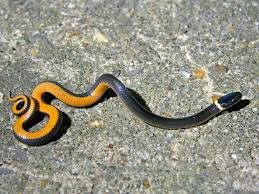
Most Common Snakes in Texas
- Western Diamondback
- Rattlesnake (venomous)
- Copperhead (venomous)
- Texas Rat Snake (non-venomous)
- Coachwhip (non-venomous)
- Bullsnake (non-venomous)
- Diamondback Water Snake (non-venomous)
- Plain-bellied Water Snake (non-venomous)
- Kingsnake (non-venomous)
How Weather Conditions in Texas Increase Snake Activity
Because snakes can’t regulate their body temperature, they rely on shifts in weather conditions to tell them whether to hunt, mate, or seek shelter.
Snakes are most active during warmer weather, especially on sunny days following cooler temperatures. Snake activity also increases after a rainfall because their favorite meals, rodents, worms, and amphibians become active. The moist conditions make it a good time to hunt.
However, if their burrow or hunting grounds become flooded, it could force them to relocate to higher ground near homes and other structures. Humid weather also supports the moist conditions that are good for hunting, and moderate humidity keeps a snake’s skin at optimal moisture. An extended drought also puts snakes, such as the rattlesnake, on the move as they search for shade, water, and a cooler habitat.
Yard Conditions that Attract Snakes
Many homeowners ask, “Why is a snake in my yard?” Snakes have an excellent sense of smell, powered by their tongues, and are almost always seeking food like rodents, chipmunks, voles, and other small animals. Yards that have dense vegetation, overgrown lawns, thick shrubbery, and lots of brush are home to most of this prey. And, snakes will use the tight, undisturbed crevices of rock gardens, stone borders, stacks of firewood, and brush piles as shelter and temperature regulation. A yard that also has poor drainage, a pond, bird baths, or any decorative water feature, makes hydration easy.
Why Do Snakes Come Into the House?
Snakes are most likely to enter your house during periods of extreme weather or to follow food.
During extreme heat or drought, snakes seek out cool spaces such as dripping or sweating pipes. They will most likely seek out crawl spaces, basements, garages, and foundations with cool floors and moisture.
In the fall, as temperatures drop, snakes will follow rodents inside homes, taking advantage of rodent pheromones to locate them. Snakes like homes for a safe, warm place to enter brumation, too.
Common Entry Points for Snakes
Snakes come inside through small gaps.
- Foundation cracks
- Gaps beneath doors
- Damaged weather stripping
- Utility gaps
- Crawlspace vents
- Garage door gaps
- Open basement windows
Some snakes can climb! Snakes can get inside gaps around attic vents, construction gaps, or entry holes created by rats or mice.
Signs Your Property May Be Attractive to Snakes
Environmental Indicators
Snakes rarely randomly show up in your yard. They’re drawn to very specific conditions – environments where there is plenty of cover to protect them from predators. Yards that have tall grass, dense landscaping, woodpiles close to structures, and lots of brush piles fill that condition.
Wildlife Indicators
Snakes also go where there is plenty of food. And, the same tall grass and dense landscaping attract rodents, which the snakes like to eat. If your yard has a water feature, you might also be attracting frogs and lizards.
Structural Indicators
While snakes can’t create openings into which to slither, they do take advantage of unsealed foundation gaps, damaged vent screens, crawl space openings, and poorly sealed utility lines.
How to Prevent Snakes Around Your House
Habitat Modification
Modifying your yard to eliminate conditions that snakes, rodents, and other pests like can help keep them out of your house. Keep your lawn mowed short, remove brush piles, trim vegetation, and store firewood away from your home to make your yard less attractive to snakes.
Eliminate Food Sources
Good habits to develop to help keep snakes away include handling any rodent infestations, making sure trash containers are tightly secured, bringing pet food indoors, and cleaning up spilled bird seed.
Reduce Shelter Opportunities
Snakes move from hiding place to hiding place. It’s critical to their survival as both prey and hunters. Remove clutter, seal foundation gaps, and repair damaged vents to lessen the places where snakes can hide.
Professional Inspection
A comprehensive wildlife inspection by Trutech Wildlife Service can identify:
- Snake attractants
- Entry points
- Rodent issues
- Habitat conditions that encourage snake activity
The Bottom Line
Snakes are most active during warm weather, after a rainfall, and when food, water, and shelter are readily available. By understanding these environmental factors and the structural issues that make you vulnerable, you can reduce the chances of attracting snakes to your yard and home.
If professional snake control services are needed at your home, schedule your inspection today. We have over 40 years of experience in ridding properties of snakes and whatever other pests are trying to make your home theirs, to
Snake Species in Texas
| Snake Species | Venomous? | Common in Texas? | Typical Habitat |
|---|---|---|---|
| Western Diamondback Rattlesnake | Yes | Very Common | Grasslands, deserts, ranchland, suburbs |
| Copperhead | Yes | Common (East & Central Texas) | Woodlands, rocky areas, creek bottoms |
| Cottonmouth (Water Moccasin) | Yes | Common (East Texas) | Swamps, ponds, rivers, wetlands |
| Timber Rattlesnake | Yes | Uncommon to Common (East Texas) | Forests, wooded hillsides |
| Prairie Rattlesnake | Yes | Common (Panhandle & West Texas) | Prairies, open grasslands |
| Mojave Rattlesnake | Yes | Localized (Far West Texas) | Desert scrub and arid regions |
| Texas Coral Snake | Yes | Uncommon | Woodlands, brushy areas, suburban yards |
| Coachwhip | No | Very Common | Open fields, deserts, brushland |
| Texas Rat Snake | No | Very Common | Attics, barns, trees, residential areas |
| Western Rat Snake | No | Common | Forest edges, farms, neighborhoods |
| Bullsnake (Gopher Snake) | No | Common | Prairies, agricultural land |
| Western Ribbon Snake | No | Common | Near water, marshes, ponds |
| Plain-bellied Water Snake | No | Common | Lakes, rivers, ponds |
| Diamondback Water Snake | No | Common | Streams, reservoirs, wetlands |
| Rough Green Snake | No | Common (East Texas) | Shrubs, trees, gardens |
| Eastern Hognose Snake | No | Common | Sandy soils, woodlands |
| Texas Indigo Snake | No | Uncommon | South Texas brush country |
| Kingsnake (Speckled & Prairie) | No | Common | Farms, grasslands, suburbs |
| Ring-necked Snake | No | Common | Woodlands, leaf litter, gardens |
| Rough Earth Snake | No | Very Common | Mulch beds, gardens, lawns |

Giving Back to the Dallas Community!
Our Dallas team recently partnered with Texas Conservation Alliance and Friends of Oak Cliff Parks for a habitat restoration project. Together, we made a meaningful
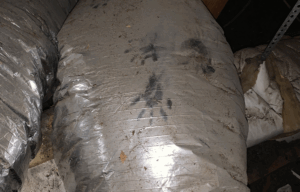
North Dallas Nuisance Wildlife Behavior
When it comes to wildlife control in Denton and Collin Counties, you want to work with the most effective wildlife removal service you can find.

How We Keep Squirrels Out of Dallas Homes
In North Texas, especially around Dallas and the surrounding suburbs, squirrels are active nearly year-round—but they’re most likely to invade homes during the cooler fall
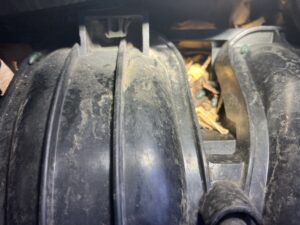
How to Identify a Rat Infestation
Rats in Fort Worth unfortunately can be a common problem. The two most common are the Norway rat and the roof rat. People tend to

Common Household Pests and Nuisance Wildlife in Dallas-Fort Worth
Humans provide the resources animals need to satisfy their basic needs — food, shelter, and water. Animals take up residence in your home or on
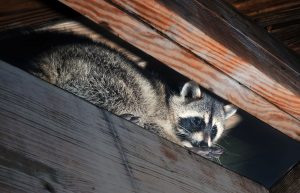
Raccoon in Attic in Flower Mound
A homeowner in Flower Mound heard loud thumping noises in the middle of the night. They investigated their attic and found dark, tubular droppings. During