

Squirrels in the House
There are over 200 different species of squirrels in the United States. The squirrel family (Sciuridae) includes ground squirrels, tree squirrels, chipmunks, marmots, prairie dogs, and flying squirrels. You are most likely to have a tree squirrel enter your home.
Several species of squirrels reside throughout the United States, and the more human habitation encroaches on their natural habitats, the more the pests take up residence inside homes. Manmade buildings offer shelter from harsh weather conditions and access to steady food sources, and squirrels especially like to set up nests in soffits, attics, wall voids, and roof eaves. They gain access to the indoors via loose roof tiles, chimneys, uncovered vents, and damaged screens.
Table of Contents
Signs of a Squirrels in the House
Even if you don’t see squirrels in the house, they will alert you to their precense. You can tell squirrels are in the house from sounds, smells, droppings, and damage.
Squirrels in the Attic
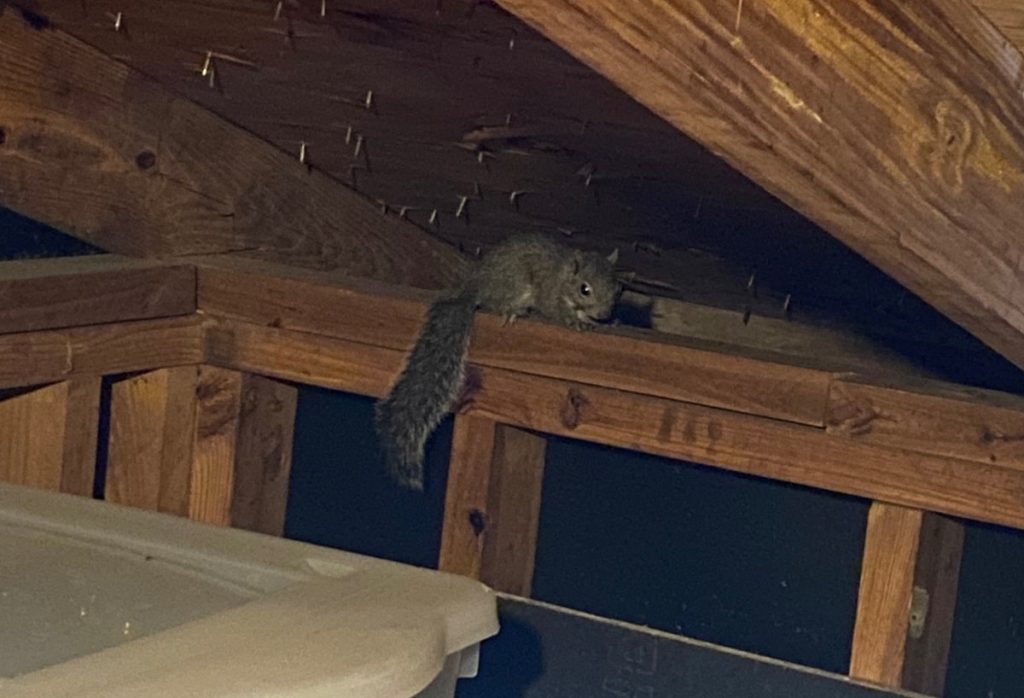
So you’ve been hearing noises in the attic, maybe you’re hearing scratching above your head while getting ready in the morning, maybe it’s gnawing in the walls when you get home from work. Sounds like you probably have squirrels in your attic.
Attics are the most common place to find a squirrel infestation. You’re most likely to notice a squirrel problem during their two breeding seasons, which happen in the early spring and autumn. Attics provide a secure shelter for creating a nest off the ground and protected from predators. And homes are usually close to food and water sources.
We deal with various animals making their home above your head, but squirrels are the only exclusively diurnal (active during the daylight hours), animal we find up there. The other animals we deal with are almost exclusively nocturnal.
What that means for you is that if you’re hearing noises during the day, it’s a very good bet that squirrels are the culprit. Most people think of squirrels as cute little animals scampering through the trees, but these creatures are a nuisance and require professional pest control, often leading to significant problems.
I believe that we have squirrels in our attic. We have been hearing scratching and gnawing sounds sporadically over the past 2 months. I believe that they are entering the house through our roof vents. What method do you use to get rid of squirrels? What would be the cost? Is there any guarantee?


WHY WOULD SQUIRRELS IN THE ATTIC BE A PROBLEM?
While squirrels are not known for the same health risks and zoonotic diseases—such as salmonella—or damage to a home usually associated with rats or raccoons, squirrels are just as bad; they just don’t have the same reputation. Squirrels must gnaw constantly to file down their incisors, or front teeth. For this reason alone, they can cause quite a bit of cosmetic damage to the exterior of your home, and even damage ductwork, pipes, and electrical wires in the interior of your home.
Also, much like raccoons, squirrels are usually found in the attic because they are looking for a place to nest and rear young baby squirrels. This means that not only are they leaving urine and fecal material in your attic, they are also leaving ectoparasites like fleas, ticks, and mites up there, and using the insulation to make their nests, contaminating and damaging it.
The longer the squirrels are up there, the worse the damage becomes. Additionally, don’t think that the issue stops with just the squirrels presently in your attic or that removing them from the attic is the complete solution.
Why Are Squirrels in the Attic?
Also, much like raccoons, squirrels are usually found in the attic because they are looking for a place to nest and rear young. This means that not only are they leaving urine and fecal material in your attic, they are also leaving ectoparasites like fleas, ticks, and mites up there, and using the insulation to make their nests, contaminating and damaging it. The longer the squirrels are up there, the worse the damage becomes. Additionally, don’t think that the issue stops with just the squirrels presently in your attic or that removing them from the attic is the complete solution.
How Do Squirrels Get Inside the Attic?
In fact, the majority of the entry points we find on houses are actually construction gaps, areas that have been accessible since the home was built, and it was just a matter of time before something got in. Even the cutest of animals can cause issues when they get into your attic. So whether you’ve heard noises in the past and paid them no mind, are hearing them now, or just want to have the peace of mind that you won’t hear them in the future, have a professional wildlife removal specialist come out and take care of the job in its entirety.
Those squirrels had to get in there somehow, and neglecting to close those entry points can lead to more problems than just another family of squirrels moving in. The squirrels left nesting material, urine, feces, and scent markers in the attic, which can actually end up drawing raccoons, opossums, and even rats to your attic looking for them, looking for an easy meal, or someplace for the new animals to nest, making your problem exponentially worse. That’s why, when it comes to having squirrels in the attic, trapping and removing them is only a small part of the solution for the problem, especially considering that most squirrels aren’t nice enough to put out a welcome mat letting you know how they are getting in.
I think I have squirrels in the attic. I spoke to someone about removal and all he wanted to do was poison and leave them to decay. I am worried about the smell and more getting in. Do you pinpoint the entry point and remove?

Squirrels in the Walls
Once squirrels gain access to the attic, they can also get inside your walls. It is dark, snug, and warm between your walls and secure from humans and predators. In addition to sleeping, squirrels build nests to give birth to pups, typically only once or twice a year.
Signs of Squirrels Inside the Walls
- Scratching noises inside the wall.
- Unexplained musty or ammonia odors.
- Stains from urine or droppings.
- Flickering lights from frayed wires.
What Problems Squirrels inside Wall Voids Cause?
- Frayed wires from gnawing
- Moisture damage from urine
- Damage to ductwork
- Risk of fires from nest materials
- Structural damage from gnawing
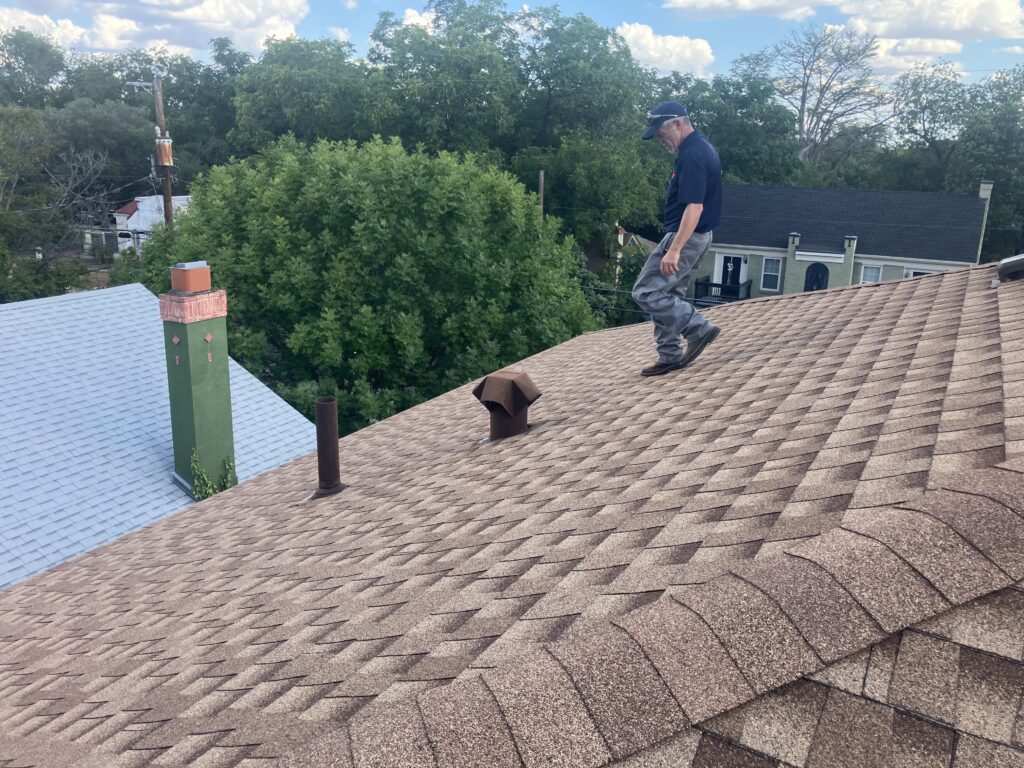
Squirrels on the Roof
Signs of a Squirrels on the Roof
Most squirrels travel 1-2 miles a day. Sometimes those travels could be over your roof. How can you tell if a squirrel on the roof is a problem or just passing through.
Just Passing Through
- Occasional sightings
- Quick movement across the roof
- No repeated noise
- No visible damage
- No activity at dawn/dusk inside
Signs of an Infestation
- Repeated daily activity
- Persistent noise
- Visible entry damage
- Nesting materials
Why Are Squirrels on the Roof?
Squirrels naturally explore their surroundings. They prefer elevated, quiet places where they can move around freely.
Why Problems Squirrels on the Roof Cause?
Squirrels' sharp teeth can gnaw through most materials on the roof. Squirrels can gnaw through shingles and roof decking. This damage is most apparent on soffits and fascia boards. This damage can lead to gaps which can lead to water damage and moisture problems.
The biggest concern is squirrels on the roof will find a way to get inside the attics.
How Do Squirrels Get on the Roof?
Squirrels are excellent climbers. They can get onto the roof from tree branches close to the roof or climbing up the siding of the house.
Squirrels in the Chimney
Chimneys are ideal nesting spots for squirrels. When selecting places to construct nests, squirrels typically look for secluded areas off the ground with plenty of cover. The natural location for a squirrel nest is between tree branches or in a hollow tree.
Squirrels will make noises like scratching, scraping, and chattering, and you’ll hear them from the fireplace. You might notice debris from the nest falling into the fireplace or see nesting materials from the chimney top.
Why Are Squirrels Nesting in the Chimney?
The top of the chimney provides easy access to warmth and shelter for a squirrel nest. While squirrels rarely infest chimneys themselves, the rodents may nest in metal chimney boxes.
- If the flue is made of stone or brick, a squirrel can climb down and build a more secure nest.
- If the flue is made of slick metal, the squirrel can fall and get stuck in the fireplace or on the damper.
What Problems Squirrels in Chimney Cause?
- Nesting materials cause fire hazards
- Restrict ventilation and increase risk of carbon monoxide
- Gnaw damage
How Do Squirrels Get in the Chimney?
Uncapped chimneys are easy for squirrels to access. They can easily climb onto the roof and then down into the chimney.
How NOT to Get Squirrel Out of Chimney
Do NOT attempt to smoke out the squirrels. A fire to catch the nest on fire instead of driving the squirrel out.
Do NOT open the damper to catch the squirrel. Squirrels are fast and agile. It is very difficult to catch them with a snare pole.
Squirrels in Yards and Trees
In most parts of the country, having squirrels in yards is just a fact of life. They sometimes entertain with their energetic antics, but are more likely to annoy with their intrusive, destructive behaviors. As seed and plant eaters, squirrels frequently target bird feeders and ornamental vegetation. They dig up and eat flower bulbs, make holes in lawns to use as hiding places for food, and eat seeds meant to attract birds. The most damaging by-product of a squirrel in the yard is the possibility that it might chew its way into the attic.
Occasionally, a homeowner might find a dead squirrel in the yard. Unless several are found in a localized area or if there are visible signs of disease, such as emaciation, missing fur, or scabs, they are generally not a cause for concern. Pets should be kept away in case the animal came into contact with poison. Also, some jurisdictions might require notification of the discovery, so local government guidelines should be consulted.
Infestations of squirrels in trees will be readily apparent as the bushy-tailed rodents are often seen scampering about yards and climbing up tree trunks. Their clawed feet make them excellent climbers, but they tend to leave visible scratches on trunks, fences, and house exteriors. Tree squirrels can also be extremely vocal animals, chattering and squeaking as they chase each other about. Finally, homeowners should be able to determine which trees are housing populations of the pests by looking for squirrel nests in tree branches.