

Spring is the time of year you’re most likely to have a raccoon denning in your attic. These animals seek warm, secure spaces for shelter, especially during breeding seasons. Your attic provides an ideal environment.
Thumping at night from March to May is a clear sign that a female raccoon has created a den to give birth. Loud noises and the stress of an animal in the house would keep anyone awake at night.
Raccoons cause physical damage to your home.
- Torn insulation raises your utility costs
- Soiled insulation creates terrible odors
- Gnawed electrical wires increased the risk of house fires
- Damage to your roof can lead to water damage
Raccoons in the attic can make you sick.
- Their urine and feces contaminate attic insulation
- Raccoon droppings can carry diseases such as raccoon roundworm
Finally, raccoons can become aggressive when cornered, posing a bite risk to you and your family. Their presence also attracts other pests, including insects drawn to their waste. These combined factors underscore the urgency of addressing a raccoon den promptly.
How to Spot a Raccoon Den

Raccoons use dens, not nests. A nest is a structure built by animals. Raccoons occupy existing sheltered spaces. In the wild, raccoons typically den in hollow trees or logs, abandoned animal burrows, or rock crevices.
You can identify a raccoon den by sight, smell, and sound. Raccoons are nocturnal, so signs of their activity often become more apparent during nighttime hours. Knowing what to look for helps confirm their presence.
When Do Raccoons Den?
Most homeowners notice raccoons denning during the spring. Raccoons are nomadic, typically staying in one spot temporarily. During maternity season, a female raccoon will den in one spot for an extended period.
Raccoons are most likely to den in your attic or crawlspace during the spring. You will notice evidence of raccoon kits in your attic for several weeks. They start foraging after 8-12 weeks after giving birth. You could have raccoons in the attic for months if you ignore the problem.
Raccoon Mating Season Near You.
Raccoons usually give birth between March and April, but this can vary by location.
- In North Carolina, raccoon breeding season is February through March in the mountains and through April in the Piedmont and Coastal Plain.
- In South Carolina, the breeding season starts in February.
- Texas breeding season usually happens in the summer.
What Does a Raccoon Den Look Like?
A raccoon den in the attic typically consists of accumulated insulation, leaves, twigs, and other debris. Raccoons gather these materials to create a comfortable, insulated space for themselves and their young.
The den will appear disheveled and may be located in a secluded corner or tucked between rafters. You may notice a flattened area within the insulation where the animals have rested. If young raccoons are present, the den will be more elaborate and clearly defined, designed to protect the kits.

What Does a Raccoon Den Smell Like?
A strong, musty, and pungent odor indicates a raccoon den. Raccoons designate a specific latrine spot for feces and urine. It saturates insulation and wood, producing a distinct, unpleasant smell that can permeate your living spaces. The odor becomes more pronounced over time and is particularly noticeable in warm weather. You may also detect a general animal odor, especially if the raccoons have been present for an extended period.
What Does a Raccoon Den Sound Like?
Raccoons produce a variety of sounds that can help identify their presence. You might hear thumping, scratching, or walking noises in your attic, particularly after dusk or before dawn. Raccoons are heavier than squirrels, so their movements often sound more deliberate and louder. They also communicate through vocalizations. You may hear chittering, growling, hissing, or distinct purring sounds, especially from mothers communicating with their young.
Kits often emit high-pitched squeals or cries when hungry or distressed. These sounds distinguish raccoon activity from that of smaller rodents.
How to Find a Raccoon Den
Locating the entry points raccoons use is critical for both confirming their presence and preventing future infestations. A thorough inspection of your home’s exterior and interior is essential.
Finding Raccoon Entry Points
Along the roofline
- Damaged Soffits
- Loose facsia boards
On the roof
- Shingles
- Flashing
- Chimney
Attic Vents
- Attic vans on roof
- Box vents
- Gable vents
Once inside your attic, identify where raccoons are gaining access from the outside. Look for light entering from exterior openings.
Be cautious when entering your attic, as raccoons can be protective of their den.
These are clear indicators of entry points.
- Check the insulation for disturbed areas or tunnels created by raccoons moving through it.
- Examine the interior of vents and around chimneys for signs of damage or entry.
- Follow any trails of disturbed insulation or debris to their source.
- You might find claw marks or chew marks around these openings, confirming raccoon activity.
There will be other noticable signs even after the raccoons leave. This evidence includes droppings, urine stains, structural damage, and specific markings. If you see these signs, your home is still vulnerable to raccoon infestations.
Dropping and Urine Stains

Droppings and Urine Stains
Raccoon droppings are distinctive. They are typically dark, tubular, and blunt-ended, often containing remnants of berries, seeds, or insects. They are generally 3-5 inches long and resemble small dog feces. Raccoons often establish latrines, depositing their waste in specific areas rather than scattering it randomly. These concentrated piles indicate a long-term presence. Urine stains will appear as dark, wet patches on insulation or wood, often accompanied by a strong ammonia odor. These stains spread and darken over time, indicating chronic contamination.
Damage inside the Attic
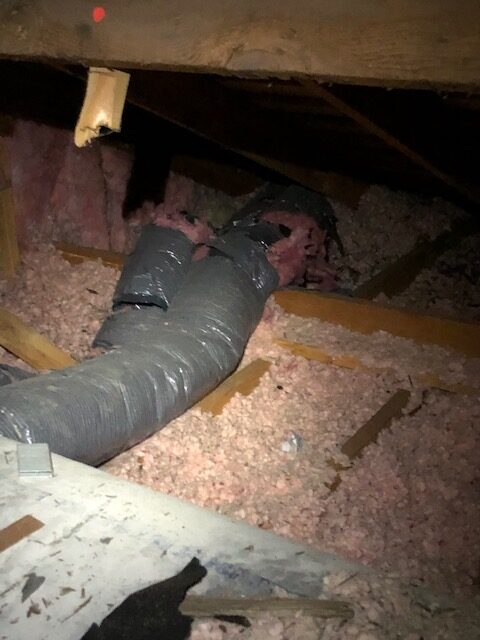
Damage inside the Attic
Raccoons cause significant structural damage. They tear insulation, creating tunnels and nesting areas. You may find torn vapor barriers or chewed wooden beams, rafters, or support structures. Electrical wiring is a common target; raccoons chew on wires, exposing conductors and creating fire hazards. They also damage ductwork, leading to decreased HVAC efficiency and contaminated air quality. Look for signs of gnawing on any wooden surfaces. The extent of this damage reflects the duration of the infestation and the number of animals present.
Footprints and Rub Marks

Footprints and Rub Marks
Footprints in dusty areas of your attic or on soiled insulation confirm the presence of animals. Raccoon tracks are unique: their front paws resemble small human hands with five long, distinct toes, while their hind feet are longer and more flat-footed. These prints measure about 2-4 inches long. You may also observe rub marks along rafters or around entry points. These are dark, greasy streaks left by the raccoon’s fur as it repeatedly passes through narrow openings. These marks indicate frequent usage of a particular path.
Differentiating Raccoon Activity from Other Pests
Many animals can inhabit attics, but distinguishing raccoons from other pests is crucial for effective removal. Each animal leaves unique signs.
Squirrels vs. Raccoons
Squirrels are smaller and lighter than raccoons. Their sounds are typically lighter, scratching, scampering, and chattering. Squirrel droppings are smaller, pellet-shaped, and scattered. Squirrels often create multiple small entry points. Raccoon sounds are heavier thumping and louder vocalizations. Raccoon droppings are larger and often found in latrines. Raccoons create larger entry holes.
Opossums vs. Raccoons
Opossums are similar in size to raccoons but have different physical characteristics and habits. Opossums are marsupials with pointed snouts and hairless tails. Their movements tend to be slower and more deliberate. Opossum droppings are similar in size to raccoon droppings but are often smoother and tapered at both ends. Opossums are less prone to creating extensive structural damage than raccoons, though they will nest in insulation. Raccoons are more destructive chewers.
Rats vs. Raccoons
Rats are much smaller than raccoons. Their sounds are light scurrying, gnawing, and squeaking. Rat droppings are small, rice-grain-sized pellets. Rats create very small entry holes. Raccoon activity is characterized by loud thumping, growling, and larger droppings. Raccoon entry points are significantly larger. The scale of damage caused by rats is minor compared to raccoons, though both chew wires.
Should I Try to Get Rid of the Den?
Do not attempt to remove or clean up the den without precautions! If you find a raccoon den, do not ignore it. Your safety and the humane treatment of the animals are paramount.
Prioritizing Safety
Do not approach or attempt to handle raccoons yourself. Raccoons are wild animals; they can carry diseases and become aggressive, especially mothers protecting their young. Wear protective gear, including a respirator, gloves, and protective clothing, if you must enter the attic to inspect.
Avoid direct contact with droppings or urine.
Do not attempt to seal entry points while raccoons are still inside, as this will trap them and could lead to further damage as they try to escape or die, creating additional problems.
Call Professional Wildlife Control Company
Attempting DIY removal risks injury, legal complications, and potential re-infestation. Contacting professional wildlife removal services is the most effective and safest course of action. Professionals have the experience, tools, and legal permits to humanely and safely remove raccoons.
At Trutech, we identify all entry points and safely remove all raccoons. After raccoon removal, we use durable materials such as heavy-gauge steel mesh and hardware cloth. We ensure all vents, including gable, roof, and soffit vents, are securely covered with screens. Cap your chimney with an animal-proof chimney cap.
After your house is secure, our remediation services restore your attic by removing the soiled insulation and applying santization agents to clean it.