
Need Immediate help? Call now! 855-854-2679

Need Immediate Help? Call Now!  855-854-2679

Call us to get started 855-854-2679

How to Identify Types of Squirrels in Texas

Everyone can quickly recognize the bushy-tailed squirrel climbing through the trees in the backyard or at the park. Texas is home to eight species of squirrels, including tree, ground, and flying squirrels.

Ground squirrels are the largest group of squirrels and include the rock squirrel, the Thirteen-lined ground squirrel, prairie dogs, and chipmunks. This type of squirrel is almost never a nuisance problem. 

The types of squirrels that usually cause problems for homeowners are the tree squirrels and the flying squirrels. Correctly identifying the species is the first step in effective management and pest control. 

Most Common Types of Squirrels in Texas

SpeciesScientific NameHabitatNuisance LevelSeasonal Activity
Eastern Gray SquirrelSciurus carolinensisEast Texas Pineywoods hardwoods & urban parksHighYear‑round; diurnal
Fox SquirrelSciurus nigerStatewide woodlands; abundant in eastern thirdHighYear‑round; diurnal; peaks early/late day
Southern Flying SquirrelGlaucomys volansEast Texas mature forests; cavities; nongameModerateNocturnal; year‑round


Eastern Gray Squirrel

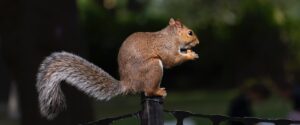
The Eastern Gray Squirrel (Sciurus carolinensis) is most common in East Texas and urban areas with dense tree cover.

  • Size: Small to medium, typically 17 to 20 inches in length.

  • Coloration: Salt-and-pepper gray fur with a white or light cream-colored underside.

  • Tail: Bushy with white-tipped hairs along the edges.

The Fox Squirrel (Sciurus niger) is the largest tree squirrel in North America and is found throughout the state.

  • Size: Large, reaching up to 28 inches in length.

  • Coloration: Generally brownish-orange or reddish-gold with a bright orange underbelly.

  • Tail: Long and thick with a reddish-cinnamon tint.

These are nocturnal mammals and are rarely seen during daylight hours.

  • Size: Very small, roughly the size of a chipmunk.

  • Features: Large, dark eyes and a specialized fold of skin (patagium) extending from the front to hind legs.

  • Habitat: They prefer mature hardwood forests in the eastern half of Texas.

When Are Squirrels Most Likely to Be a Problem?

March-April and August-September in Texas.

Squirrels cause the most problems when they get inside your attic, walls, or chimney during breeding season.  The females are looking for safe places to create a nest (or drey) to give birth.

Squirrel breeding season happens in the early spring and late summer. 

How to Identify a Squirrel in the House

It is not uncommon for squirrels, especially adult females, to build nests in attics. Attics provide mother squirrels a stellar location to raise their young, in that they are:

  • Warm and dry

  • Elevated from predators

  • Chock-full of squirrel nest construction materials

Inside an attic, squirrels can build a nest with shredded paper, cardboard, fabric, and bits of insulation. If you come across a squirrel nest in your attic, do not approach. Squirrels are wild animals and can be dangerous.

Most Common Ways to Identify Squirrels

  • Scratching and Scurrying Noises: The number one complaint from homeowners about squirrels is strange noises early in the morning or at dusk. They search for food like acorns during the day, so they leave in the morning and return at sunset.

  • Gnaw Marks in Attic: Look for gnaw or teeth marks in the attic. Squirrels will gnaw on anything in the attic, including wood, aluminum, electrical wires, PVC pipes, air ducts, and cardboard.

  • Squirrel tracks: You can usually find squirrel tracks in dust along air ducts and pipes in the attic. Squirrel tracks are relatively small at about two inches in length. Squirrels have front paws with four narrow toes tipped with tiny claws. A squirrel’s larger rear paws also feature five distinct toes with a large pad at the heel.

  • Entry Points and Damage to the Exterior of the Home: Squirrels only need a gap about 3 inches wide. Squirrels can gnaw through most home construction materials like wood, vinyl siding, shingles, and even aluminum.

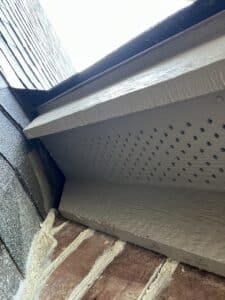
    Squirrel Entry point soffit
    Squirrel entry point at the roof return under the loose soffit
  • Nesting Material & Insulation Damage: Accumulations of leaves, twigs, and torn insulation.

  • Odor: A distinct, pungent smell of urine and feces concentrated in specific areas.
Squirrel Control and Removal

Safe squirrel removal in Texas requires a professional approach to ensure all entry points are sealed and that no offspring are left behind.

  1. Inspection: Identify all active and potential entry points.

  2. Exclusion: Install one-way doors to allow squirrels to exit but not return.

  3. Trapping: Use live traps if squirrels are localized in a specific area.

  4. Sanitization: Clean and disinfect nesting areas to remove pheromones that attract other wildlife.

Call Trutech in to Get Squirrels Out

Trutech Wildlife Removal specializes in the humane extraction of squirrels from residential and commercial properties. Our technicians are trained to identify the specific species involved and implement a tailored exclusion plan.

Latest Posts

Categories

Thank you for subscribing! We'll be in touch.