

Some of the more charming rodents we might come across on a daily basis, squirrels are bushy-tailed rodents that are ever-present near homes in Jacksonville, Orlando, and Tampa.
Squirrels can be found year-round, though they are most active during the spring and summer months. Squirrels mate in late winter as well as in the spring/mid-summer, and their gestation period is about 4-6 weeks. Squirrels frequently nest in human structures to give birth to their young because these structures provide shelter and are often located near food sources.
Common Squirrel Species in Florida
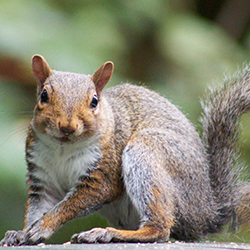
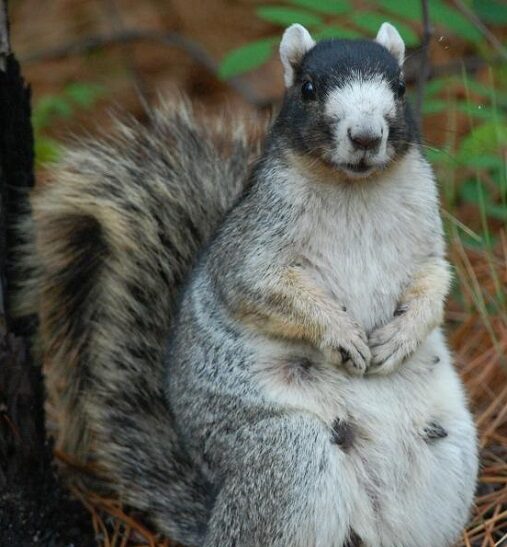
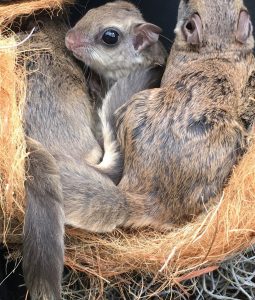
Florida is home to three species of squirrels; the Eastern gray squirrel is overwhelmingly the most common one. There is one ground squirrel in Florida, the eastern chipmunk. It is only present in the five northwestern counties near the Alabama border.
| Species | Scientific Name | Habitat | Nuisance Level | Seasonal Activity |
|---|---|---|---|---|
| Eastern Gray Squirrel | Sciurus carolinensis | Urban/Suburban, Oak Trees | High | Year-round; diurnal |
| Fox Squirrel | Sciurus niger | Mature longleaf pine or slash pine | Low | Year-round; diurnal |
| Southern Flying Squirrel | Glaucomys volans | Statewide, primarily in oaks, hickories, and sugarberries | Low | Nocturnal; active year-round (peak activity noted in fall) |
When are Squirrels Most Likely to Get in the Attic?
February-March and August-September in Florida.
You are most likely to identify a squirrel infestation during their breeding season, which happens in the spring and late summer/early fall in Florida.
Females are looking for safe places to create a nest (or drey) to give birth, and attic spaces check all the boxes for a safe, secure spot.
During these periods, squirrels are highly active and aggressive as they seek nesting sites. Homeowners should exercise increased vigilance during these months, as female squirrels frequently target residential attics to raise their young. If you suspect an infestation during these windows, take immediate action to prevent structural damage.
How to Recognize Squirrel Damage


It is not uncommon for squirrels, especially adult females, to build nests in attics. Attics provide mother squirrels a stellar location to raise their young, in that they are
Warm and dry
Elevated from predators
Chock-full of squirrel nest construction materials
Inside an attic, squirrels can build a nest with shredded paper, cardboard, fabric, and bits of insulation.
If you come across a squirrel nest in your attic, do not approach. Squirrels are wild animals and can be dangerous.
Other Signs of Squirrels
Scratching and Scurrying Noises: The number one complaint from homeowners about squirrels is strange noises early in the morning or at dusk. They search for food like acorns during the day, so they leave in the morning and return at sunset.
Gnaw Marks in Attic: Look for gnaw or teeth marks in the attic. Squirrels will gnaw on anything in the attic, including wood, aluminum, electrical wires, PVC pipes, air ducts, and cardboard.
Squirrel tracks: You can usually find squirrel tracks in dust along air ducts and pipes in the attic. Squirrel tracks are relatively small at about two inches in length. Squirrels have front paws with four narrow toes tipped with tiny claws. A squirrel’s larger rear paws also feature five distinct toes with a large pad at the heel.
Entry Points and Damage to the Exterior of the Home: Squirrels only need a gap about 3 inches wide. Squirrels can gnaw through most home construction materials like wood, vinyl siding, shingles, and even aluminum.
Nesting Material & Insulation Damage: Accumulations of leaves, twigs, and torn insulation.
Odor: A distinct, pungent smell of urine and feces concentrated in specific areas.
Call Trutech in to Get Squirrels Out
Trutech Wildlife Removal specializes in the humane extraction of squirrels from residential and commercial properties. Our technicians are trained to identify the specific species involved and implement a tailored exclusion plan.
Our Squirrel Control Process
Removing squirrels requires a professional approach to ensure all entry points are sealed and that no offspring are left behind.
Inspection: Identify all active and potential entry points.
Exclusion: Install one-way doors to allow squirrels to exit but not return.
Trapping: Use live traps if squirrels are localized in a specific area.
Sanitization: Clean and disinfect nesting areas to remove pheromones that attract other wildlife.