

The quiet rustle above your ceiling, the mysterious thumping at night, or a faint, unsettling odor—these are often the first, unwelcome signs of animals in your attic space. This scenario is far more common than many homeowners realize, and understanding the motivations behind an animal’s choice to inhabit your attic is the critical first step in addressing the issue effectively.
Reasons Animals Get inside Attics
Most people don’t consider how attractive attics are to some critters. Attics seem impentrable. They’re too high for anything to climb up to, and there’s only one entry point, which is inside.
Animals are remarkably resourceful and persistent, often exploiting the smallest vulnerabilities in your home’s structure. Animals like raccoons, squirrels, and bats can find a variety of different entry holes along your roof to get inside the attic.
- An ideal place to give birth
- Shelter from the elements
- Protection from predators
- Proximity to food and water
The primary reason that drives animals into a structure is because a population already exists outside. Now that population may have grown unchecked and unchallenged for too long which forces these animals to seek food, water, and shelter in areas that may be outside their realm of their normal habitat. Sometimes animals could be chased into a home by a predator, and in other cases land development may displace a population which forces them into locations.
Ian Vosseler
A Safe Birthing and Nesting Site
One of the most compelling reasons for an animal to seek out an attic is the need for a safe place to give birth and raise its young. The dark, secluded, and often undisturbed nature of an attic creates an ideal maternity ward. Predators are less likely to access these elevated spaces, offering a crucial layer of security for vulnerable offspring. The consistent temperature also aids in the survival of newborns, who are highly susceptible to environmental changes. Raccoons, squirrels, and bats are particularly known to utilize attics for this purpose, establishing nests and raising litters within the confines of your home.
Shelter from the Elements
The external environment presents a constant threat to wildlife. Extreme temperatures, be it scorching summer heat or freezing winter cold, can be life-threatening. Attics provide a remarkably stable microclimate, insulated from the worst of these fluctuations. Furthermore, severe weather events such as heavy rain, snow, or high winds pose significant dangers. Your attic offers immediate and reliable protection, acting as a robust barrier against precipitation and creating a calm, secure refuge during storms. This consistent protection is a powerful draw for animals seeking survival.
Proximity to Food and Water Sources
While an attic itself may not directly contain abundant food or water, its location within a human dwelling often places animals in close proximity to these vital resources. Homes typically offer accessible garbage cans, pet food left outdoors, gardens, bird feeders, and even crumbs within the house. Water sources, such as leaky pipes, condensation from HVAC systems, or even pet water bowls on a lower floor, can also be detected and accessed. Animals in the attic can easily forage outside at night and retreat to the safety of the attic during the day, creating a convenient and resource-efficient lifestyle. This convenient access minimizes exposure to external risks associated with foraging further afield.
Seeking Solitude and Security
Attics provide an unparalleled sense of solitude and security, particularly for nocturnal animals or those that are naturally wary of human interaction. The elevated position of an attic often means fewer disturbances from foot traffic or daily human activities. The structural integrity of a house, when compared to a tree hollow or a den in the ground, offers superior protection against larger predators. This combination of seclusion and robust security makes an attic an extremely appealing long-term residence for animals looking to avoid threats and raise their families undisturbed.
Animals do not simply materialize in your attic; they exploit existing vulnerabilities on your roof. These critters are excellent climbers, and most can scale the walls to get on top of your roof.
Trees that are too close to your house provide natural bridges for arboreal animals like squirrels, raccoons, and even opossums. Branches that extend over or touch the roof, eaves, or even upper-story windows offer direct, easy access to your home’s exterior, significantly increasing the likelihood of an attic infestation.
Understanding these common entry points is essential for both eviction and prevention.
Unsealed Roof Gaps
Even small gaps, cracks, or loose flashing on your roof can serve as an invitation. Missing shingles, deteriorated fascia boards, or spaces where the roofline meets the chimney or dormers are frequent culprits. A gap as small as half an inch can be sufficient for mice, while larger openings accommodate squirrels and even raccoons. Regular roof inspections are paramount to identify and seal these potential entry points.
Roof and Attic Vents
Roof vents, gable vents, and attic fans, while necessary for ventilation, can become entry points if not properly screened or maintained. Damaged or missing screens allow easy access. Chimneys, especially uncapped ones, present a direct vertical highway into your home. Animals like raccoons and birds frequently fall into or deliberately enter uncapped chimneys, sometimes making their way into the attic if an opening exists.
Plumbing Stacks
Similar to attic vents, animals and rodents can get inside your home through the plumbing stacks on your roof. The moist, warm air vented from plumbing stacks attracts animals looking for shelter or hydration. During colder months, stacks emit heat, which can draw rodents like rats, mice, and squirrels in. Once in the pipes, they can gnaw through PVC or rubber to get into the attic or walls.
Which Animals Are Most Likely to Be in Your Attic?
Raccoons in Attics
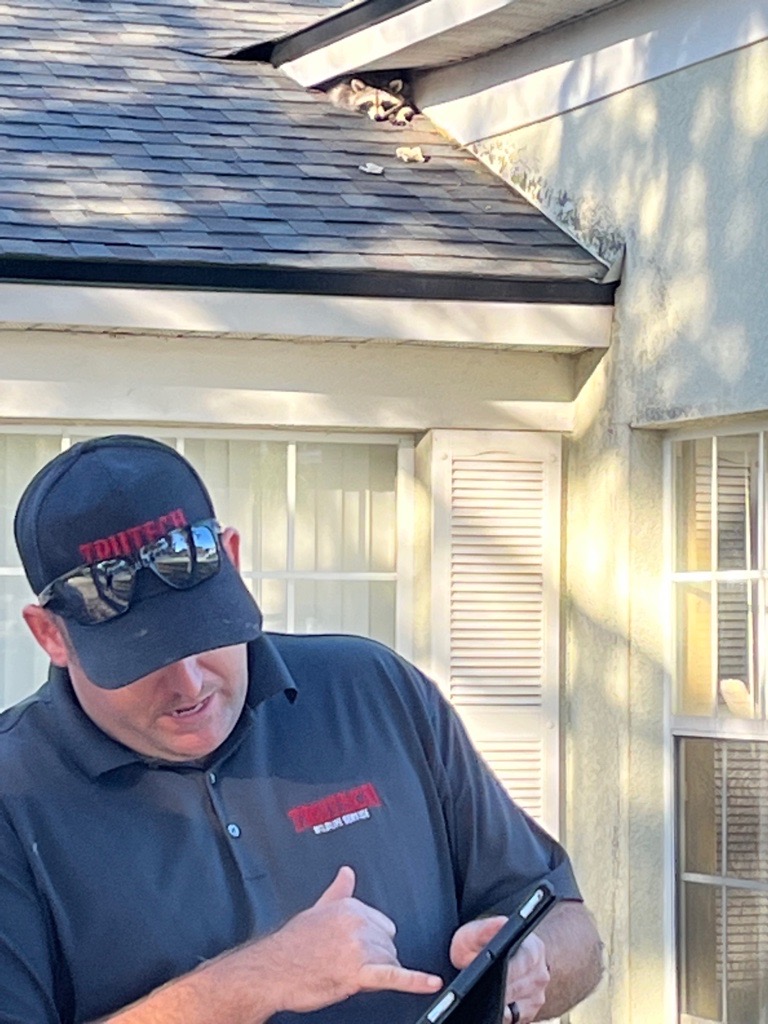
These intelligent and strong animals can tear open vents, pry back flashing, or widen existing holes to gain access. Female raccoons are particularly drawn to attics as safe denning sites for their kits. Their presence can result in considerable damage to insulation, ductwork, and roofing materials, and they leave large amounts of droppings. They are primarily nocturnal.
Squirrels in Attics
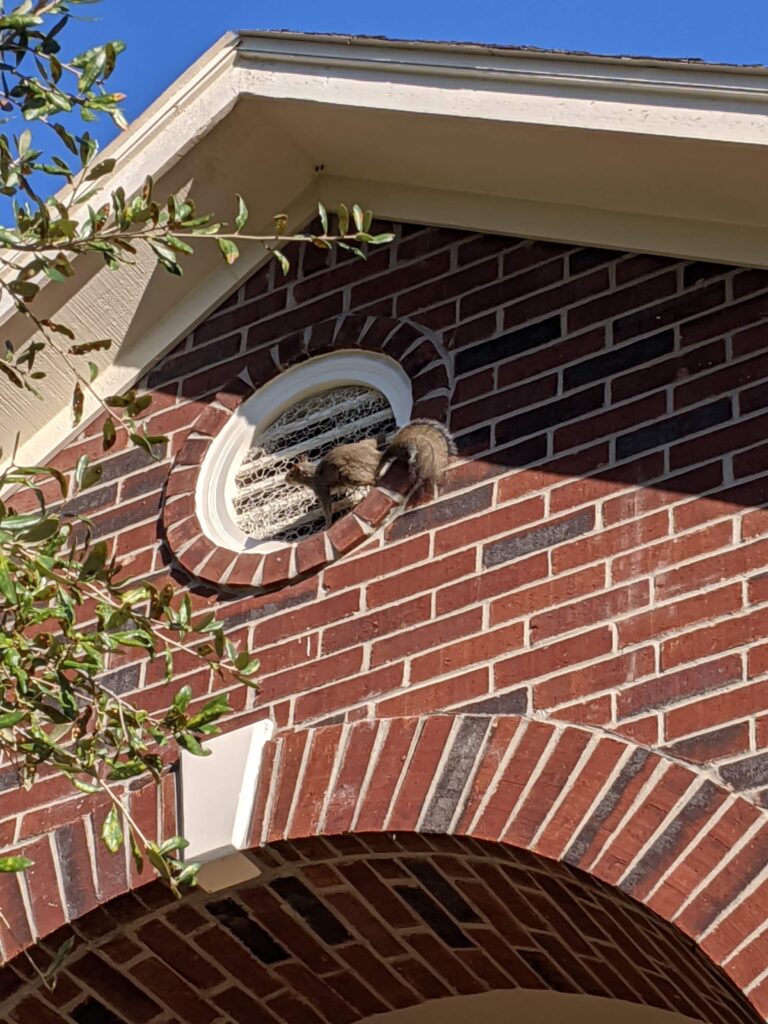
Known for their agility and chewing abilities, squirrels frequently gain entry through roof gaps, compromised vents, or by chewing through fascia boards. They often build nests (dreys) in attics and can cause extensive damage to insulation, wiring, and even wooden beams with their persistent gnawing. They are most active during the day.
Rats and Mice in Attics
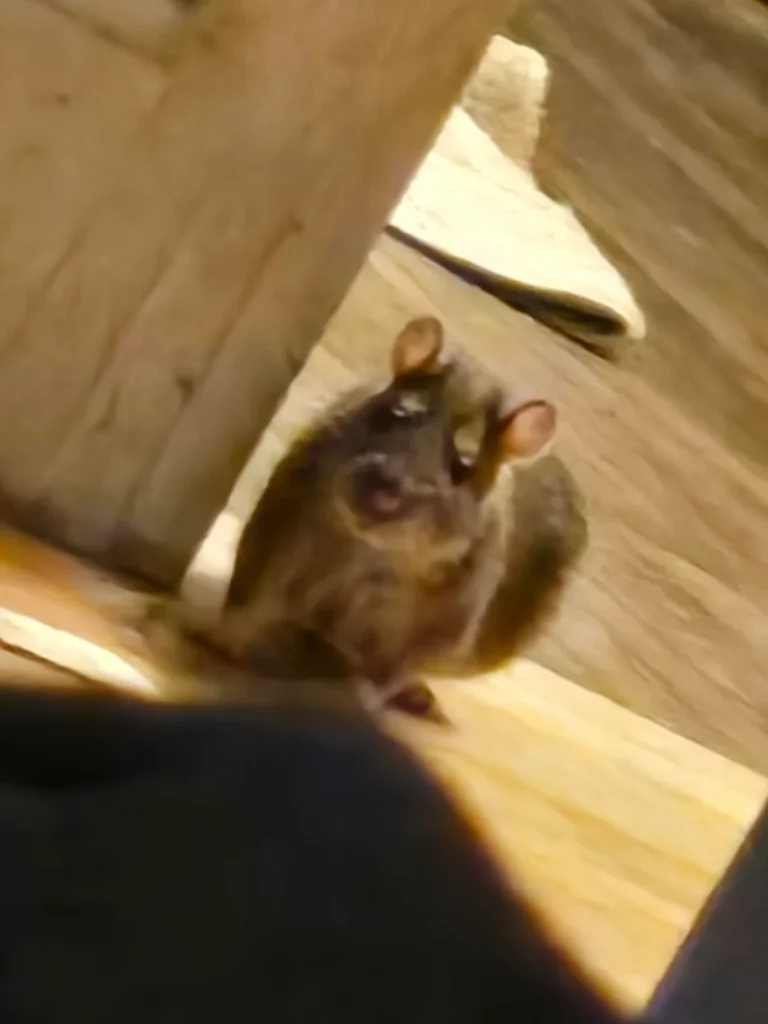
These prolific breeders require only a tiny opening (as small as a quarter-inch for mice, half an inch for rats) to infiltrate. They are driven by warmth, shelter, and proximity to food. Their constant gnawing can cause significant damage to electrical wiring, insulation, and wooden structures, posing fire risks and compromising structural integrity.
Bats in Attics
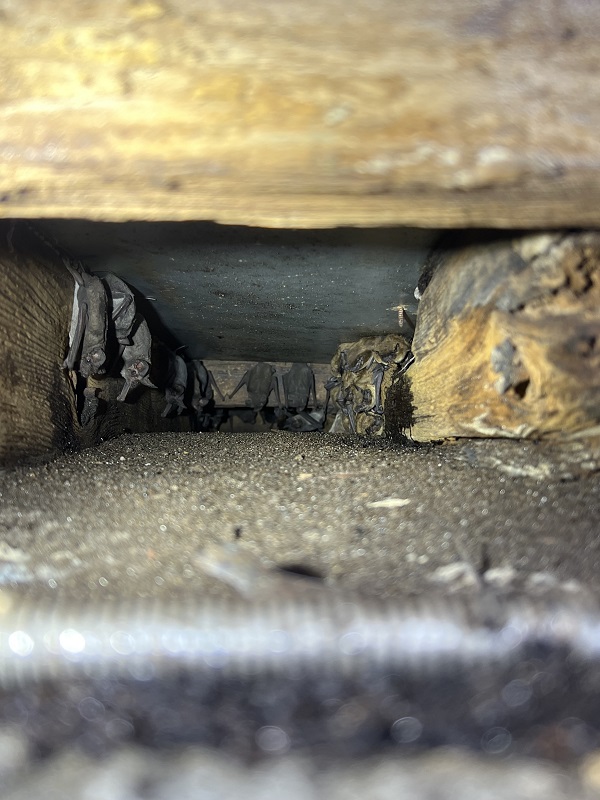
Bats are attracted to attics for their stable temperatures and high, dark, secluded spaces, ideal for roosting and raising young. They require tiny openings (as little as 3/8 inch) to enter. While generally harmless and beneficial insect eaters, their guano (droppings) can accumulate, cause odors, and pose health risks. They are nocturnal.
Birds in Attics
While less common than rodents or raccoons, some bird species, particularly pigeons or starlings, may nest in attics if they find an accessible opening, often through damaged soffits or open vents. Their nesting materials can block ventilation and create fire hazards, and their droppings can accumulate.
Opossums in Attics
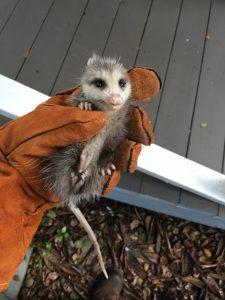
These opportunistic marsupials are often drawn to attics for shelter and nesting. They are good climbers and can exploit damaged rooflines or low-hanging branches. Opossums can cause damage to insulation and leave behind significant amounts of waste. They are primarily nocturnal.
Recognizing the Signs of an Attic Intruder
Early detection is paramount to mitigating damage and resolving the problem quickly. Be vigilant for these common indicators.
Unusual Noises
Sounds are often the first sign. Listen for scratching, scuttling, thumping, or gnawing sounds above your ceiling, especially during quiet hours (dawn, dusk, or night). The type and frequency of noise can sometimes indicate the type of animal. For instance, consistent gnawing points to rodents, while heavier thumps suggest raccoons or opossums.
Foul Odors
The presence of animal urine, feces, or deceased animals will produce distinct, unpleasant odors that can permeate through your home. A strong, musky smell often indicates raccoons, while a faint, persistent ammonia-like odor might suggest a bat colony. These odors can worsen over time and indicate a significant infestation.
Visible Damage
Inspect your attic for physical signs of intrusion. Look for gnawed electrical wires, damaged insulation, torn ductwork, or gnawed wooden beams. Outside, check for bent or missing vent screens, displaced roof shingles, or torn soffits. Any fresh structural damage should be investigated immediately.
Droppings and Nests
Animal droppings (feces) are definitive proof of an infestation. The size, shape, and location of droppings can help identify the species. Nests, constructed from insulation, leaves, twigs, or other debris, are also clear indicators of an active presence, often signifying a breeding site.
What Should You Do if You Find Animal in the Attic?
These critters make terrible house guests. They won’t leave on their own, and they make an awful mess. If you have noticed signs of animals in the attic, call a professional wildlife control operator as soon as possible. At Trutech, our four-step process humanely and quickly removes any nuisance wildlife from your attic.
Our Four-Step Process for Animals in the Attic
1. Professional Inspection is Crucial
Attempting to identify and remove animals yourself can be dangerous, ineffective, and potentially illegal depending on the species. Wildlife removal professionals possess the expertise, specialized equipment, and knowledge of local wildlife laws to safely and humanely identify the species, locate entry points, and develop an effective removal strategy. Their assessment will be thorough and precise, preventing guesswork.
2. Trapping and Removal
Based on the inspection, we set traps near animal activity. We use the right trap with the right bait that targets the right animal.
3. Exclusion and Repair
After the animals have been safely removed, all entry points must be permanently sealed. This involves repairing damaged rooflines, replacing screens on vents, capping chimneys, and reinforcing any vulnerable areas. Exclusion must be done meticulously to prevent re-entry, often using heavy-gauge mesh and durable materials that animals cannot easily chew through or dislodge.
4. Sanitation and Damage Restoration
Animal infestations leave behind significant contamination. Professionals will conduct thorough sanitation of the attic, which includes removing all droppings, contaminated insulation, nesting materials, and deceased animals. Odor neutralization and disinfection are critical for eliminating pathogens and lingering odors. Damaged insulation, wiring, or other structural components should then be repaired or replaced to restore the attic to a safe and healthy condition.
Simply DIY Projects to Prevent Animals in the Attic
An ounce of prevention is worth a pound of cure when it comes to wildlife intrusion. Implement these measures to safeguard your home.
Regular Home Maintenance
Conduct annual inspections of your roof, eaves, fascia boards, soffits, and vents. Look for any loose or missing components, cracks, or gaps. Seal all openings, no matter how small, with durable materials like steel mesh, hardware cloth, or appropriate sealants. Pay close attention to areas where different building materials meet, as these are common weak points.
Trimming Trees
Maintain a minimum distance of 6-8 feet between tree branches and your roofline or any part of your house. This eliminates natural bridges that animals use to access your home, making it significantly more challenging for them to reach potential entry points. Regular trimming is a continuous effort.
Securing Trash Cans
Store trash in robust, animal-proof containers with tight-fitting lids. Place them away from your home’s foundation or any potential access points. Avoid leaving pet food bowls outdoors overnight, as these are powerful attractants for various wildlife. Reducing outdoor food sources will decrease the likelihood of animals lingering near your property.