

Stinging Insect Control in Dallas
Call Trutech In to Get Bees and Wasps Out
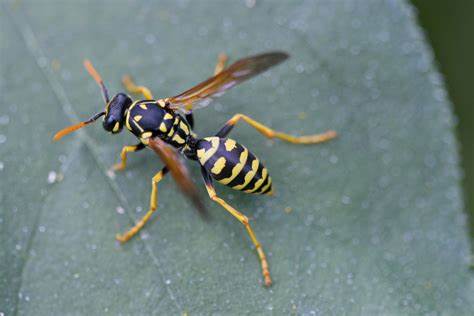
Stinging Insect in Dallas-Fort Worth
Stinging insects like bees and wasps are widespread in Dallas-Fort Worth. The long stretches of warm weather, plenty of nesting sites, and available food sources create ideal conditions for these insects to live near you. These pollinators become dangerous when nests or hives are built close to your home or in unavoidable spots on your property!
Thorough Inspection
We identify the location of the nest and any damage that has happened.
Safely Remove Nest
We get rid of the stinging insect and remove the nest or hive from its location.
Seal & Repair Entry Point
If inside, we clean up the debris from the nest/hive, repair the damage, and seal the entry spots.
Bees and Wasps in Dallas-Fort Worth

Stinging Insects in Dallas
Yellowjackets
- Aggressive, especially in late summer and fall when their colonies are large.
- They often nest underground, in voids, or under decks and structures.
Paper Wasps
- Less aggressive than yellowjackets unless provoked.
- Build umbrella- or open-hammock shaped nests under eaves, rafters, porch ceilings, door frames.
Hornets
- Large nests; can be more defensive when disturbed.
Mud Daubers
- Generally less aggressive than social wasps (wasps that live in colonies) unless directly disturbed.
- Solitary wasps, build mud nests on structures (under eaves, on walls).
Cicada Killers
- Males can be more noticeable/aggressive in behavior
- Large solitary wasps. Females dig burrows in soil, often in bare, well-drained, sunny areas.
Honey Bee
Carpentar Bee
- Males may hover aggressively but they don’t sting; females can sting if provoked
- Bore into wood (especially weathered or unpainted) to make nests.

Dangers of Stinging Insect Infestation
Stinging insects can pose more than just a physical threat, potentially jeopardizing your family’s health and your home’s safety.
Issues include:
- Health risks: If anyone in your family has serious allergies, even a single sting could trigger a severe, potentially life-threatening reaction. In cases of an infestation, the chances of being stung multiple times increase significantly.
- Structural damage: Some species, like bees and wasps, build nests inside walls, roofs, and ceilings. Over time, these nests can weaken wood, trap moisture, and lead to mold or rot.
- Secondary infestations: Leftover honey or abandoned nests can attract ants, rodents, and other pests looking for food or shelter, compounding the issue.
What are the Signs of a Stinging Insect Infestation?
Residential areas are home to several species that sting, each with its own risks and behaviors:
- Stings: Frequent stings are the most obvious red flag. If you or your family members constantly fall victim to stinging insects, it’s time to investigate. This is especially important if anyone in your family is allergic.
- Buzzing Noises: If bees or wasps are inside the walls or in the attic, you will hear a constant, low buzzing.
- Nests: Nests vary based on the species: Bees build waxy hives, while hornets and wasps create papery, football-shaped nests. They might be tucked under eaves, hidden in shrubs, or even inside wall voids.
- Eggs: In most cases, you won’t spot the eggs because they are hidden within the nest. Professionals who are trained to recognize early egg-laying activity can help determine whether the colony is growing rapidly.
- Swarming: If you see large numbers of flying insects in one area, especially hovering around entry points or trees, there’s a good chance you have a nest nearby. Swarming behavior is particularly common during nesting season.
Where Do Stinging Insects Cause Problems?
Depending on the species, bees and wasps can nest in locations close to you and your family. They choose nest locations that offer protection and proximity to food sources. These spots are often hidden in plain sight in your home or yard. It becomes dangerous when the nest is built in an unavoidable spot.
Structures
Bees and wasps will build nests on your home. Soffits, porches, and next to doors are common places to find wasp nests. Bees can get inside the roof and build a hive about your ceiling or inside your walls.
Trees and Shrubs
Tree branches and dense shrubbery offer ideal conditions for hornet and hanging wasp nests. These locations provide camouflage and easy escape routes, making removal particularly tricky.
Underground
Yellowjackets will use holes and abandoned burrows to build a nest. This is especially dangerous because yellowjackets are aggressive. Most people discover a yellowjacket nest in their yard after getting multiple stings.
When to Consider Beehive or Wasp Nest Removal
You might not need pest control because you have a beehive or wasp nest on your property. If it is small or in a secluded area, it is safe to ignore.
Questions to Ask When Considering Stinging Insect Pest Control:
- Is it close to people or pests?
- Under Eaves, porches, decks or playsets
- Underground near walkways, driveways, or the lawn
- Are you witnessing defensive or aggressive behavior?
- Frequent stinging incidents
- Swarming near an entrance
- Is it a large or growing colony?
- Large colonies can number into the thousands and become more dangerous
- Small nests can be tolerated early in the seasons, but become harder to manage as they grow
- Are the bees or wasps inside a structure?
- Honey bees inside walls, attic, chimneys can cause structural damage
- Wax, honey, and nesting materials attract other pests like rats and raccoons.
- Wasps in attics, wall voids, or vents can spread inside the living areas
- Is it located in a high-traffic outdoor space?
- Near patios, pools, mailboxes, decks, and playsets are impossible to avoid
- (Most importantly) Are there allergies in the household>
- If anyone is allergic to stings in the house, even the smallest nest is a health hazard.
- Is it close to people or pests?
If you answered yes to one of these questions, you should consider professional pest control for stinging insect removal in Dallas.
Call Trutech In to Get Stinging Insects Out
Beekeepers in Dallas will come to remove a beehive for you. Sometimes they’ll do it for free. Their availability is limited, and you might be waiting a long time for free beehive removal.
The Trutech experts in Dallas have the resources and experience to remove a beehive safely. When you work with Trutech Wildlife Service, we can start service relatively soon and solve the problem quickly. When you choose other control methods, it may take weeks or months to accomplish the same goal.