

Have you noticed damages stemming from burrowing activities on your property?
If so, the next step is to identify the burrowing animals to pursue the appropriate removal method. Let’s explore the most common burrowing animals, how to identify them, and how to get rid of them.
The simplest way to identify the animal is by the diameter of the hole and the time of year.
Why Are Animals Digging Holes in My Yard?
Animals like skunks and raccoons dig up your yard looking for food to eat. Their diet consists of insects like grubs, worms, and beetles. Other critters, like groundhogs and gophers, dig extensive burrows under your property for shelter. Finally, some animals will raise their young in spring and early summer in holes in the yard.
Animal Hole Identification Table
| Animal | Hole Diameter | Hole Depth | Time of Year Active |
| Prairie Dogs | 1 to 2 in | 12 in | Summer |
| Groundhogs | 1.25 – 1.5 inc | 8 to 12 inches | Summer |
| Moles | 2 in | 24 in | Summer |
| Voles | 2 in | 12 -23 in | Summer |
| Armadillos | 2.5-3.5 inc | 72 in | Summer |
| Chipmunks | 2-4 inches | 18 inches | Summer |
| Ground Squirrels | 3.9-11.8in | 12-20 Ft | Summer |
| Norway Rat | 4 in | 24-36 in | Summer |
| Skunk Holes | 4 inches | 36-48 in | Summer |
| Skunk Burrow | 7 to 8 inches | 60 in | Summer |
| Gophers | 10-12 in | 72 in | Summer |
| Rabbits | 8 inches | 24 in | Summer |
How to Identify Animals by Dirt Mounds
Some animals create dirt mounds when digging. Groundhogs, moles, and gophers all create extensive burrow systems. Each species creates mounds of dirt near the entrance to the tunnels.
You can identify the animal by the appearance of their dirt mounds.
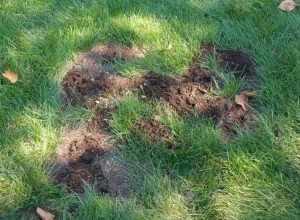
Mole Mound (Molehill)
- Circular shaped from above
- Resembles volcano from side
- Plug might not be distinct
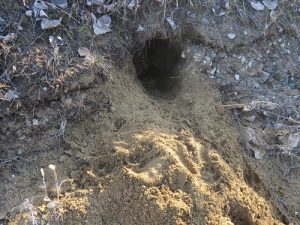
Groundhog Mound
- Crescent-shaped mount
- Fresh dirt mound in front of the main entrance
- Located near trees or fences
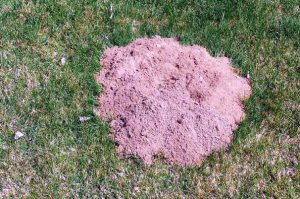
Gopher Mound
- Fresh Soil
- Crescent- or horse-shoe shaped from above
- Plugged hole
Trying to get rid of animals digging up your yard can be time and resource-intensive. It is impractical to exclude your entire yard or property from digging animals.
You need to know which entrance the animal is using and when the animal is active for effective control. You shouldn’t wait for the animal to move on. Raccoons, skunks, foxes, and opossums will use other animal burrows to den.
Trutech Wildlife Service has the tools and experience to effectively protect your yard from digging pest animals.
What Animals Dig in the Yard
Burrowing animals spend a significant portion of their lives underground. Although this predisposition for subterranean life can make for some interesting critters, homeowners generally don’t want burrowing animals on their property.
Here’s a closer look at the types of burrowing animals you may encounter. Plus, how to identify their burrows.
Prairie dogs
Prairie dogs are known to dig extensive underground tunnel systems. As social creatures, these tunnel systems can house hundreds or thousands of prairie dogs.
Typically, humans complain of the inconspicuous holes created by prairie dogs. The holes can pose a tripping hazard for humans and livestock on rangelands. Additionally, these animals tend to avail themselves of anything they find in a healthy garden.
You’ll need to look closely to spot these holes, ranging in diameter from 4 to 8 inches. The vegetation around the hole is often cleared away to create a small mound.
Groundhogs and woodchucks
These animals create burrows with openings of 10 to 12 inches in diameter. The critters can damage underground watering systems and wiring. Plus, the series of holes could lead to human injuries while working in the yard.
Beyond the underground mayhem, groundhogs are happy to eat whatever they find in your garden. In addition to the fruits and vegetables, groundhogs may eat the ornamental plants in your yard as they prepare for winter.
Gophers and pocket gophers
Gophers create burrows up to 18 inches below ground with a mainline that shoots off multiple branches. As they settle into an area, they can create a tunnel system of up to 600 feet.
Although the animal remains largely out of sight, its digging activity leaves large mounds of dirt above ground. The dirt mounds are unsightly and can lead to issues with lawn care. You will likely notice extensive damage to your garden and other landscaping features if gophers are present.
You can easily spot gopher activity if you find mounds of dirt 12 to 20 inches in diameter surrounding small holes.
Moles
Moles build extensive tunnel systems in an effort to find insects and earthworms to eat. Although the critters primarily eat bugs, they may enjoy a meal from your garden or landscape if available.
Molehills are identified by their circular and conical mounds. These mounds of soil are typically a foot wide and up to 2 inches tall. In addition to these hills, you may also spot raised tunnel tracks across your lawn.
Voles
Voles are commonly mistaken for small mice. But these critters are more capable diggers that can build large tunnel systems shrouded by dense vegetation to conceal their entrances effectively.
These little creatures can cause major damage to your yard. Specifically, these rodents can damage gardens and tree trunks. Beyond above-ground behaviors that lead to damage, these rodents can damage your lawn.
Unfortunately, it can be difficult to spot a vole hole. The entrances to their tunnel systems can be as small as a dime. The best way to spot a vole infestation is to look for vole runways, which are pathways of dirt-colored trails that lead from one hole to the next.
Armadillos
Armadillos are known for their unique appearance.
These nocturnal burrowing animals might want to move into your yard. In addition to their burrows, armadillos create small holes while foraging for food. The result of all these holes is possible foundational damage to your home.
Although you may not spot the armadillo itself during the day, you can find evidence of their presence with the holes it leaves behind. Typically, you’ll find holes of 3 inches deep and 5 inches across if an armadillo has been foraging in your yard.
Chipmunks
Chipmunks are relatively cute animals that can create massive tunnel systems around your house. Like others, these tunnel systems can lead to electrical or structural damage to your home. Plus, the chipmunks themselves may eat up the goodies in your garden.
If you have chipmunks on your property, you’ll likely hear extensive chirping to alert you to their presence. But you might have trouble spotting their burrow holes, which are only the size of a silver dollar.
Ground Squirrels
Ground squirrels are most comfortable in their underground tunnel homes, which can extend for up to 30 feet. But when not in their burrow, they can cause extensive property damage through their gnawing and seemingly unlimited appetite.
The entrance hole to their large homes is a small hole of approximately two inches in diameter. Worn grass around the entrance hole can be a sign of extensive use.
Skunks
Skunks dig holes for two reasons. They dig shallow holes looking for food and create deeper burrows to den. Their burrows can lead to structural damage to the buildings on your property.
The stink that accompanies a skunk is the best way to uncover their burrow. If you follow your nose, you’ll likely find the entrance to a burrow with freshly removed dirt. But make sure to keep your distance — these creatures can spray their foul-smelling oil up to 10 feet!
Rabbit
Rabbits create a series of tunnels called a warren. These warrens can cause structural damage to your home. But the bulk of damage caused by rabbits will be to any above-ground plants you have on your property. The critters are known to nibble on plants and ultimately destroy crops.
You’ll likely find the entrance hole to a rabbit warren on a slope or bank that allows for effective drainage. The entrance holes are typically between 4 to 6 inches in diameter. Piles of dirt and tufts of rabbit fur will often be found outside of these holes to indicate the presence of a rabbit.
Fox
Foxes are intelligent creatures with a cunning nature that seems to keep them one step ahead at all times. Typically, foxes will avoid contact with humans. But they may take the opportunity to raid your home or garbage cans for a free meal.
In some cases, foxes may construct a burrow on your property under your home or near the base of a tree. The hole can be 4 inches in diameter or larger. But the telltale sign of a fox burrow is the likely presence of feathers or bones that indicate the remains of their prey.
Raccoons
Raccoons dig while searching for food like grubs and other insects. In late fall, grubs serve as a staple to a raccoon’s diet.
Call Trutech In to Get Animals Out
Trying to get rid of animals digging up your yard can be time and resource-intensive. It is impractical to exclude your entire yard or property from digging animals.
You need to know which entrance the animal is using and when the animal is active for effective control. You shouldn’t wait for the animal to move on. Raccoons, skunks, foxes, and opossums will use other animal burrows to den.
Trutech Wildlife Service has the tools and experience to effectively protect your yard from digging pest animals.