


Call for Next Available Appointment. 855-854-2679

Call for Next Available Appointment855-854-2679

Call us to get started 855-854-2679

Raccoon in House

The ideal habitat for raccoons include ample food sources, proximity to water, and safe places to den. Your house has food sources like garbage cans, pet food, and bird feeders. Female raccoons create nest sites sites in attics, between walls, and inside chimneys to raise baby raccoons. As the pests are adept climbers, they take advantage of nearby trees, downspouts, and utility poles to gain access to homes. Uncovered chimneys and vents, torn screens, loose shingles, and broken windows also heighten the possibility of finding raccoons in the house.

Exclusion is the best raccoon control for your house or property. Our wildlife control professionals can then identify the point of entry for the raccoons in the attic and repair this area to ensure you will never have raccoons in your attic again.

Raccoons are one of the larger pest animals. The most common area we find them is in attics, but they can cause problems on roofs, under houses, and in your yard. Nocturnal critters, you'll hear them running and moving in the middle of the night.

Most Common Signs of Raccoons in the House

Raccoon Sounds

Raccoons are active after dark, searching for food and water and socializing. Signs of a raccoon include hearing various noises in your attic, chimney, basement, crawlspace, ceilings, or walls. Examples include purring, chittering, growling, hissing, snarling, screeching, snorting, and screaming.

You may hear non-vocal raccoon sounds, too, like opening your outdoor trashcan and scattering the contents to find food. If you hear movement in your attic, ceilings, or walls, the raccoon is likely destroying drywall, shredding insulation, or clogging vents and pipes. You will also hear the scuffling or pitter-pattering of their feet when they run from one spot to another.

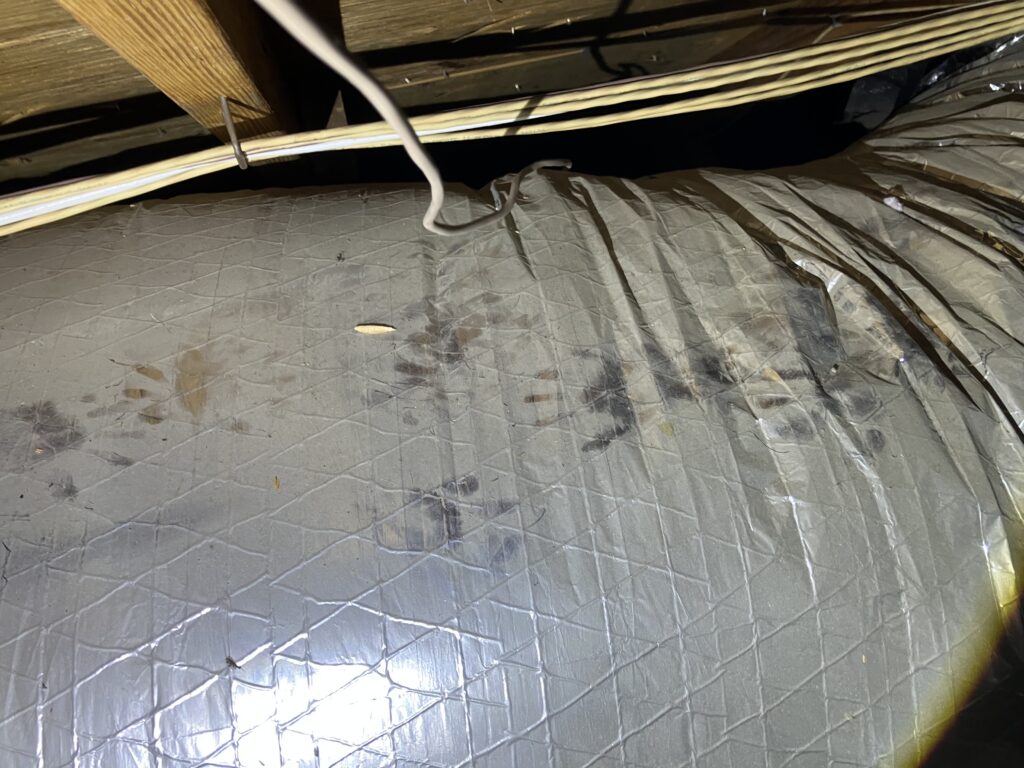
Raccoon Tracks in attic San Antonio

Pawprints or Tracks

A raccoon’s paws have five long toes resembling tiny handprints. The back paws have five toes and a heel. You may find prints and tracks around garbage cans, swimming pools, on the lawn, around water sources, attic floors, and outside your home.

Raccoons have an unusual way of moving, making their tracks easy to identify. When they walk or run, their right hind paw lands next to their left front paw, and their left hind paw lands next to their right front paw. The tracks appear in two sets, each containing a front and hind paw.

raccoon poop attic

Raccoon Droppings

Raccoons are active after dark, searching for food and water and socializing. Signs of a raccoon include hearing various noises in your attic, chimney, basement, crawlspace, ceilings, or walls. Examples include purring, chittering, growling, hissing, snarling, screeching, snorting, and screaming.

You may hear non-vocal raccoon sounds, too, like opening your outdoor trashcan and scattering the contents to find food. If you hear movement in your attic, ceilings, or walls, the raccoon is likely destroying drywall, shredding insulation, or clogging vents and pipes. You will also hear the scuffling or pitter-pattering of their feet when they run from one spot to another.

Raccoon damage soffit

Exterior Home Damage

Raccoons are excellent climbers, which is terrible news for the exterior of your home. They can climb on every part of your home’s exterior and are known to damage it in the following ways:

  • Cause shingles to slide
  • Gnaw on electrical wires
  • Break vent and chimney caps
  • Make small cracks or holes bigger in attic vents and eaves
  • Break and bend gutters and pipe joints
  • Peel apart siding and soffits
  • Leave smudge marks on the siding
  • Tear insulation off pipes and ducts
  •  

Why is a Raccoon in My House?

The ideal habitat for raccoons include ample food sources, proximity to water, and safe places to den. Your house has food sources like garbage cans, pet food, and bird feeders. Female raccoons create nest sites sites in attics, between walls, and inside chimneys to raise baby raccoons. As the pests are adept climbers, they take advantage of nearby trees, downspouts, and utility poles to gain access to homes. Uncovered chimneys and vents, torn screens, loose shingles, and broken windows also heighten the possibility of finding raccoons in the house.

Exclusion is the best raccoon control for your house or property. Our wildlife control professionals can then identify the point of entry for the raccoons in the attic and repair this area to ensure you will never have raccoons in your attic again.

Raccoons are one of the larger pest animals. The most common area we find them is in attics, but they can cause problems on roofs, under houses, and in your yard. Nocturnal critters, you'll hear them running and moving in the middle of the night.

What Problems Do Raccoons in the House Cause?

Raccoons are dangerous.

Raccoons can be especially dangerous during birthing season.

Raccoons will attack if they feel threatened or perceive a threat to their young. About the same size or larger than a house cat, raccoons are strong and stocky. They will use their sharp claws and teeth to attack when they feel threatened and cornered.

Raccoons spread diseases.

Many diseases carried by raccoons are dangerous to humans. People know the pests best as vectors for rabies. The most common raccoon diseases are raccoon roundworm and leptospirosis, both of which are spread from raccoon feces. Raccoons can spread other diseases to your pets like canine distemper, feline distemper, parvoviral enteritis, and infectious canine hepatitis.


Raccoons destroy your property.

Raccoon entry points generally are in hard-to-reach places. Raccoons can tear apart shingles, rip open soffits, and break through gable vents. These repairs can require tall ladders or work on the roof. Attempting these exclusion repairs is dangerous.

Most Common Places Raccoons Hide Inside the House

Raccoon Removal Service

Can you help get the raccoon out of my house?

How We Get Rid of Raccoons

Trutech can help! The first step is a complete inspection of the property to identify any animals that are present or have been previously (this will help us establish whether or not there are/were raccoons under the house). The inspection will also identify all areas where animals are potentially gaining access to the property so they can be addressed. Once we have identified the entirety of the problem we can usually resolve it in an average of 7 to 10 days.
Raccoon Removal

Raccoon in Attic

Raccoons are agile and intelligent creatures that often make their nests inside attics. They gain access by climbing downspouts, scaling siding, and walking across overhanging tree branches. Unsecured vents, chimneys, and attic windows also aid in easy entrance. If raccoons are determined enough, they may even rip apart siding and bend open vent covers to enter attic spaces.  While raccoon repellant can help some, it is only a temporary solution

One of the larger animals that can get into your attic, ceilings have collapsed from the raccoons weight. 

Signs of wildlife icon

Raccoon in Attic Removal

Thumping, rustling, and scratching sounds coming from the attic are clear indications of animal infestations. Raccoons are especially playful and like to tumble about, making loud noises that disturb residents. Young raccoons also like to chatter and chirp when calling for their mothers. Additionally, while raccoons generally dispose of waste away from nesting sites, they may let their droppings and urine collect in attics. The overwhelmingly foul smell quickly permeates houses.

Raccoon in Chimney

Raccoons commonly den in chimneys because they are often unsecure and resemble tree hollows. Raccoons can manually remove chimney caps. 

Signs of wildlife icon

Raccoon Removal from Chimney

Do not open fireplace in an attempt to rescue a raccoon from your chimney. You will give access to your entire house to the pest. The professionals at Trutech will create an ideal solution to get rid of a raccoon in your chimney.
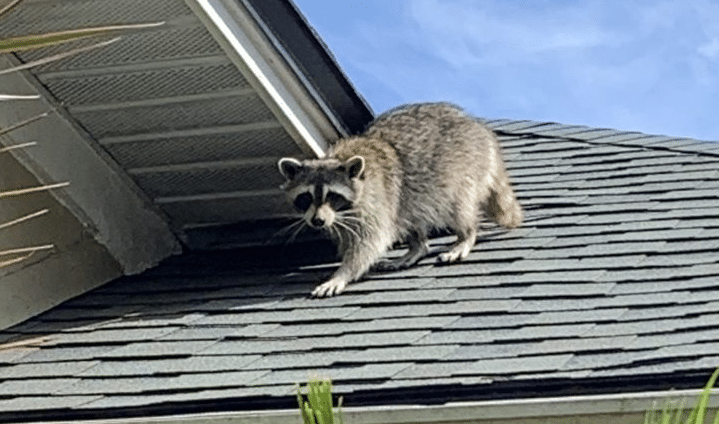
Raccoon on Roof

Raccoons often access rooftops by climbing trees, siding, and drainage pipes. Raccoons on roofs can cause significant damage to your property. Females are known to destroy soffits, fascia boards, shingles, vents, and insulation to establish denning sites. Once a raccoon creates or enlarges a hole in the rooftop, it becomes an easy pathway to the attic.

Signs of wildlife icon

Raccoon Control on Roof

Preventing a raccoon from climbing onto your roof is difficult. These clever creatures can climb virtually any surface. Raccoon traps are the best way to get rid of a raccoon on the roof, but the trap must be monitored frequently. Installing metal flashing and tree trimming is the best way to stop a raccoon from climbing onto your house.

Raccoon in the Crawlspace

Raccoons are commonly drawn to crawlspaces because these areas provide the perfect combination of shelter, warmth, and safety. Crawlspaces are typically dark, quiet, and protected from predators and harsh weather, making them ideal nesting spots—especially for female raccoons raising their young. Small openings or weak points around vents, foundations, or utility lines make it easy for raccoons to access these spaces. Once inside, the insulation and soft materials create a comfortable environment for building dens, while proximity to human activity often means easy access to food sources nearby, such as garbage or pet food.
Signs of wildlife icon

Raccoons Removal from under House

To get rid of raccoons under your house, we start with trapping to remove the animals currently under there and then can install a product called dig defense to keep those animals from gaining access back under decks and foundations.
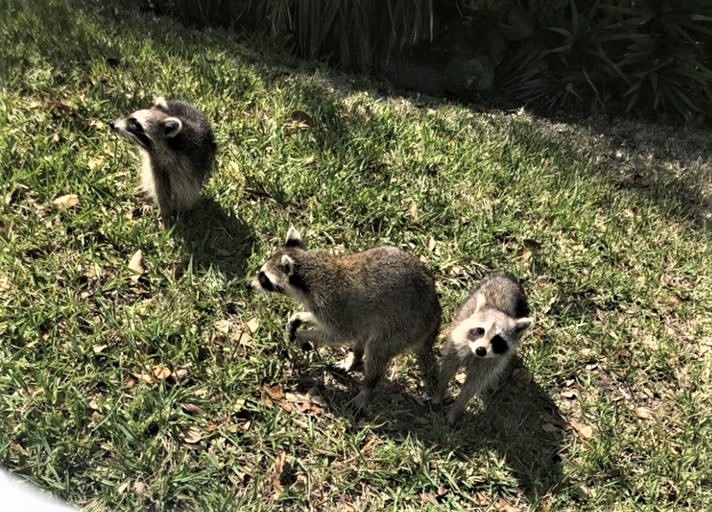
Raccoons in Trash

One of the most effective preventative measures you can take is to secure your garbage can.

Raccoons keep varied omnivorous diets and common meals include berries, nuts, fish, insects, waterfowl, and bird eggs. As the pests are also opportunistic feeders, they won’t hesitate to scavenge in trash cans and compost piles for discarded bits of human food. Raccoons are especially enticed by garbage bins without well-fitted lids as their nimble hands and impressive dexterity allows them to easily break into the trash.

Raccoons in Backyard

raccoons in the yard

Signs that raccoons are in the backyard include ransacked trash cans, empty bird feeders, tracks, the presence of urine and feces, and garden damage. Their unique ability to grasp objects with their opposable thumbs coupled with their natural curiosity frequently leads raccoons to break into homes and outdoor sheds. Finally, expensive landscaping is often damaged in the pest’s search for insects found in the soil.

Signs of wildlife icon

Raccoons Control in Yard

Protecting your entire yard from a raccoon is not feasible. It is possible to protect target areas of your property. Installing barriers or electric fences can prevent raccoon damage inside a garden. Conical tree guards will stop a raccoon from climbing trees.

Raccoons in Trees

Tree hollows are the preferred natural den site for raccoons. Though sightings of the pest are rare given their nocturnal nature, property owners are able to detect the presence of raccoons in trees. For instance, raccoons often leave tracks in the dirt around the base of trees they’re living in. These tracks are distinct in their resemblance to tiny human hands. Their claws, which make them excellent climbers, are used to scratch trees, walls, and fences, and finding scuffed paint and tree bark typically points to raccoon infestations. At night, residents may hear chattering, growling, or snarling sounds. Finally, the presence of droppings at the base of trees points to the existence of raccoon populations in the area.

Latest Posts

Categories
The owner of this website has made a commitment to accessibility and inclusion, please report any problems that you encounter using the contact form on this website. This site uses the WP ADA Compliance Check plugin to enhance accessibility.
Still Unsure What's Causing the Problem?

Use our diagnosis tool to help you understand what animal could be infesting your attic, roof, chimney, or walls.

Thank you for subscribing! We'll be in touch.