
Key Takeaways
- Squirrel lifespans vary by species and environment. Eastern gray squirrels can live up to 12 years in the wild, while red squirrels typically live around five years and fox squirrels average three to four years. Predators, disease, accidents, and other environmental factors affect survival.
- Squirrel breeding seasons increase the risk of attic infestations. Tree squirrels typically have two litters per year, often in spring and late summer or early fall. Female squirrels may seek protected nesting areas in attics, so scratching or squeaking near the ceiling can signal squirrel activity.
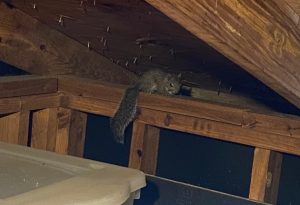
- Squirrels can survive in attics and cause ongoing property damage. When squirrels have access to food, water, and an entry point, they may continue living in an attic for an extended period. Trimming tree branches away from the roof, securing potential entry points, and contacting Trutech Wildlife Service at the first sign of activity can help protect your home and prevent recurring problems.
In This Article
Squirrels are most likely to cause problems for homeowners during breeding season. It’s at this time that squirrels look for safe places to give birth. A typical squirrel nest is in a tree between two branches, but if a female can find it’s way inside your attic, it provides the ideal conditions for a squirrel nest!
Squirrel breeding season happens March-April and August-September!
If you notice scratching or squeaking above your ceiling early in the morning during these times, you likely have a squirrel. Call a professional immediately.
What is a Squirrel's Life Expectancy?
Typically, about half the squirrels in a population die each year. Predators like hawks, owls, coyotes, bobcats, and snakes eat squirrels. Parasites, diseases, and falls can kill squirrels. Human interactions like car collisions also threaten squirrels.
Eastern Gray Squirrel Life Expectancy
At birth, the eastern grey squirrel (sciurus carolinensis) has life expectancy of only two years. In the wild, the maximum recorded life span for grey squirrels is 12 years. In captivity, squirrels can live up to 20 years.
Red Squirrel Life Expectancy
The average red squirrel lives five years, though the pests have great difficulty surviving their first year. 9 years is the longest recorded wild red squirrel lifespan.
Fox Squirrel Life Expectancy
On average, fox squirrels live for three to four years. In the wild, the life expectancy is six to seven years.
Ground Squirrel Life Expectancy
The average lifespan for the California ground squirrel is 3 to 4 years in the wild, but they can live as long as 6 years. In captivity, the recorded lifespan for the ground squirrel is 10 years.
Expert Advice
Squirrels are one of the most common animals to get into your attic. You are most likely to hear them running around during the day. Squirrels are known to fall down wall voids and from there they could chew through drywall to get inside someone’s home.
Brad Wood, District Manager Dallas Fort Worth

Squirrel Life Cycle
You are most likely to experience a squirrel infestation during the birthing season. Squirrels look for safe places above the ground to create a nest (drey) to give birth. Tree squirrels can have two litters a year, usually in the spring and the fall.
You are most likely to experience squirrel activity at this time!
Flying, fox, and ground squirrels only have one litter a year.
Young are born without fur and aren’t ready to leave the nest for at least a month and a half. By the time two months pass, baby squirrels are typically weaned and on their own.
Gestation Period by Squirrel Species
| Sciurus Species | Gestation Period |
| Eastern Grey Squirrel | 44 days |
| Fox Squirrel | 44 Days |
| Flying Squirrel | 40 Days |
| Red Squirrel | 38 Days |
| Ground Squirrel | 30 Days |
How Long Do Squirrels Live in a House?
The exact lifespan of squirrels in homes varies. Squirrels live longer in captivity because of the level of care and protection from predators. Squirrels in attics and walls are protected from predators, but they still need to find food and water sources.
How Long Can a Squirrel Live in an Attic?
If completely sealed in an attic, with no access to food or drink, squirrels most likely won’t live more than two weeks. However, if squirrels are in your attic, it’s a near certainty that there is a breach somewhere in the attic that allows them to come and go as they please. If this is the case, they will be able to survive for far longer.
How Long Can a Squirrel Live Trapped in a Wall?
The answer to this question varies depending on whether or not the squirrel in question has access to food and water. If a squirrel gets trapped in your wall and is totally without food and water, then it will probably not survive for much longer than two days; however, if the squirrel has access to water, they might make it eight days to two weeks.
Squirrel Control
Since squirrels can live for a fairly long time and cause damage when they nest in yards and attics, homeowners usually aren’t pleased to see the pests.
Trimming tree branches away from your roof can help prevent squirrels from gaining access to your home. Installing squirrel deterrents on any bird feeders will make your property less attractive to squirrels.
In order to avoid the spread of disease or the hassle of finding a squirrel in the house, contact the experts at Trutech for squirrel removal at the first sign of activity.
Call Trutech in to Get Squirrels Out
Frequently Asked Questions
How long do squirrels live in the wild?
Squirrel lifespans vary by species, habitat, and environmental conditions. Eastern gray squirrels can live several years in the wild, with some reaching 10 years or longer. Red squirrels and fox squirrels have different average lifespans. Predators, disease, weather, and vehicle collisions can shorten a squirrel’s life. If squirrels have moved into your attic, they may continue nesting there as long as they have access to shelter and a way inside. Trutech Wildlife Service can help remove squirrels and identify entry points to prevent them from returning.
When do squirrels give birth, and how many babies do they have?
Many tree squirrels give birth twice a year, typically in late winter or early spring and again in summer, although timing varies by species and region. A litter commonly contains two to four babies, but litter sizes can vary. Mother squirrels often seek sheltered nesting locations, including attics, to protect their young. If you hear scratching, squeaking, or movement overhead during breeding season, squirrels may be nesting in your home. A professional inspection can help determine whether a nest is present.
How can I tell if squirrels in my attic have babies?
Baby squirrels may make high-pitched squeaking or chirping sounds, especially when hungry or disturbed. You might also hear increased movement, scratching, or scurrying in the attic. Other signs include nesting materials, droppings, damaged insulation, and gnaw marks near roof openings. However, sounds alone cannot confirm that babies are present. Avoid disturbing a suspected nest or sealing entry points until you know whether dependent young are inside. Trutech Wildlife Service can inspect the attic and determine the appropriate next steps.
How long will squirrels stay in my attic?
Squirrels may remain in an attic for weeks or months if they have a suitable nesting site and continued access. A mother may stay until her babies are old enough to leave the nest, while other squirrels may use an attic for shelter or repeated nesting. Simply waiting for squirrels to leave is unreliable because they may return or new squirrels may enter through the same openings. Professional removal and exclusion can help resolve the current infestation and reduce the risk of future activity.
Will squirrels leave my attic on their own when their babies are grown?
Squirrels may leave the nest as their young mature, but that does not guarantee they will leave your attic permanently. The mother may continue using the attic, return for another litter, or be replaced by other squirrels if entry points remain open. Sealing openings too early can trap animals or separate dependent babies from their mother. Trutech Wildlife Service can assess the situation, determine whether young squirrels are present, and recommend appropriate removal and exclusion measures.
What should I do if I find a nest of baby squirrels in my attic?
Keep your distance and avoid handling the babies or disturbing the nest. Do not seal the entry point or attempt to remove the mother before determining whether dependent young are present. A mother squirrel may be able to move her babies to another nest, but this is not guaranteed, and disturbing the nest can create additional problems. Contact Trutech Wildlife Service for an inspection and guidance on safe, appropriate removal. Once the animals have been addressed, a professional can identify entry points and recommend repairs to help prevent squirrels from returning.
Local Squirrel Pest Control