

Raccoon Removal in Zephyrhills
Fast, Effective Wildlife Removal Near You
Some Geographic Restrictions
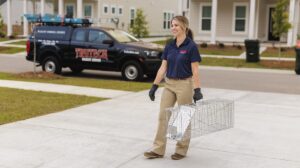
Raccoons in Zephyrhills
Raccoons are strong, resourceful, and excellent climbers. They invade homes looking for a safe place to den that’s close to food and water. A natural raccoon den is in a hollow tree, but the spaces in your home make ideal locations for raccoons. Raccoons are noisy and destructive.
Do not wait for them to leave on their own!
Trutech Wildlife Service specializes in raccoon removal in Zephyrhills. To remove and control a raccoon or family of raccoons on your property, our wildlife specialist will perform a thorough inspection to ascertain the severity of the raccoon infestation. After the inspection, we build a custom solution for raccoon trapping and removal and then raccoon exclusion.
Our whole home exclusions come with a one-year warranty, and our services are always guaranteed.
Guaranteed Services
With Trutech, your satisfaction is guaranteed. Trutech technicians take great pride in providing quality workmanship to solve your wildlife pest needs. If you are not completely satisfied, we move to fix the issue at no additional charge or offer a full refund.
All whole home exclusions come with a one year warranty.
Free Inspection
Schedule a free inspection for all wildlife and pest infestations. Our inspection covers the entire house from roof to basement. Each inspection includes a no-obligation quote, a comprehensive report on problems observed, and a detailed explanation of a custom wildlife removal and pest control solution.
Financing Available
For Trutech customers fixed rate financing through the Rollins Acceptance Company (RAC) is available.
Both standard and 90-day same as cash financing options have 12-,18-,24-, or 36-month options. Some projects might qualify for a budgeted plan up to 60 months.
Raccoon Problems

Evidence of Raccoons in Zephyrhills
You can recognize raccoon activity by their unique tracks, noises, and droppings. The experts at Trutech look for these specific signs to determine if you have raccoons in your attic.
Recognize Raccoon Tracks
Raccoon tracks resemble tiny human handprints with five fingers extending from the palm. Hind paw tracks are similar but show elongated heels that sink deep into the ground. Raccoons have unusual gaits, carrying most of their weight on their back ends. That puts the fore and hind paw tracks side by side or slightly offset.
Recognize Raccoon Noises
You will primarily hear raccoon noises at night when the pests are most active in their search for food. Even when raccoons are quiet vocally, they still make noise. The sound of an animal rustling or scurrying about the attic or chimney is a common sign that a raccoon has moved in.
Typical raccoon sounds also occur when the pests walk across rooftops, construct their dens, or attempt to gain entry through holes or other small openings that lead to attractive denning sites. You can also hear raccoons communicating using various sounds.
Raccoon sounds range from the vocalizations they use to communicate with each other to the noises they make from rustling, scurrying, and other activities. Known to be highly vocal creatures, raccoons interact using more than 200 sounds, including purring, chittering, growling, snarling, hissing, whimpering, and even screeching like owls. Baby raccoon sounds include mewing, crying, and whining.
Recognize Raccoon Poop
Raccoon poop is often found in select areas of an attic. The droppings are tubular, have blunted ends, and are usually dark in color, though coloration can vary depending on what the animal has recently consumed.

Raccoon Damages
Raccoons are dangerous. If you find one in your home, do not approach it!
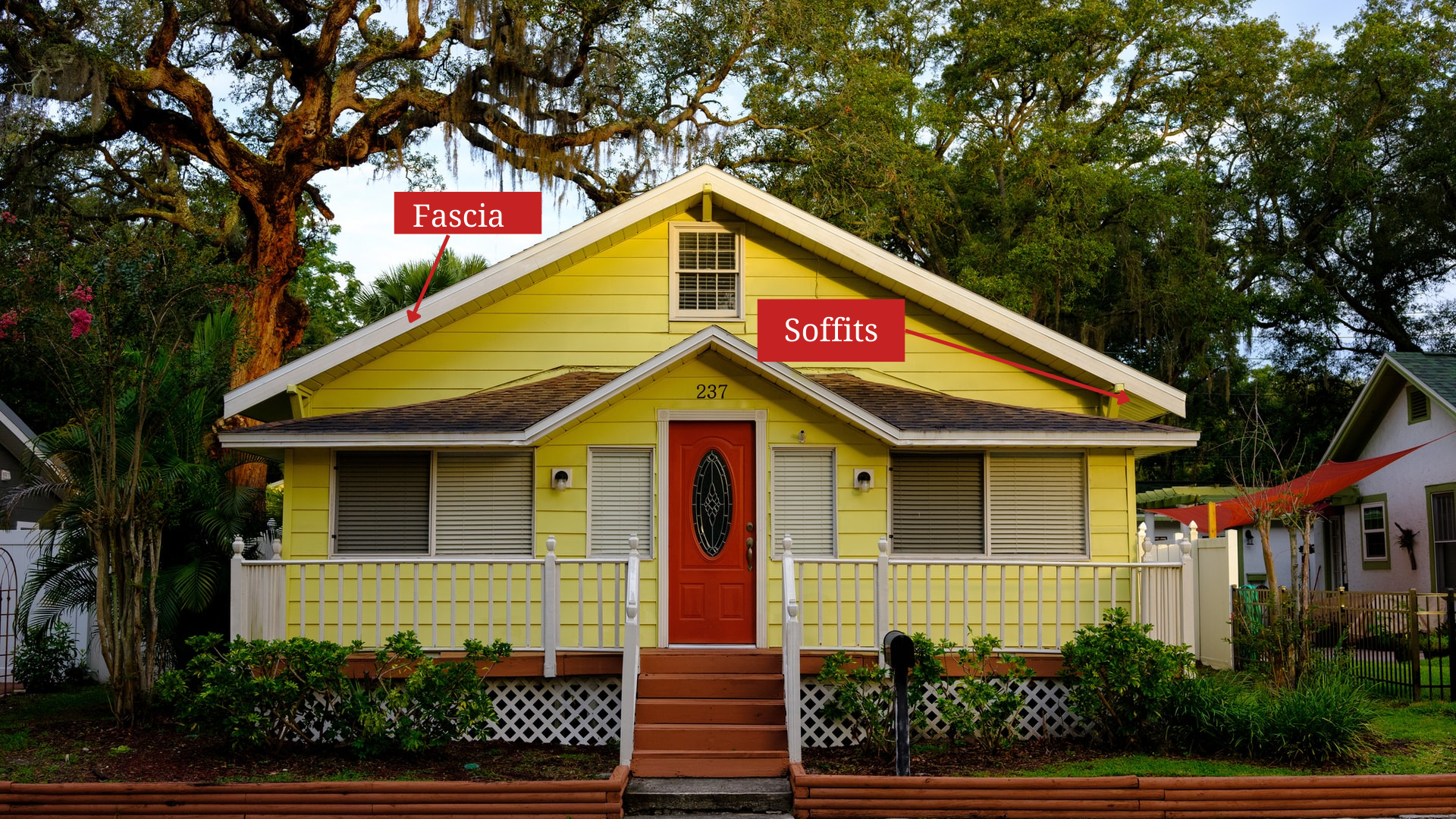
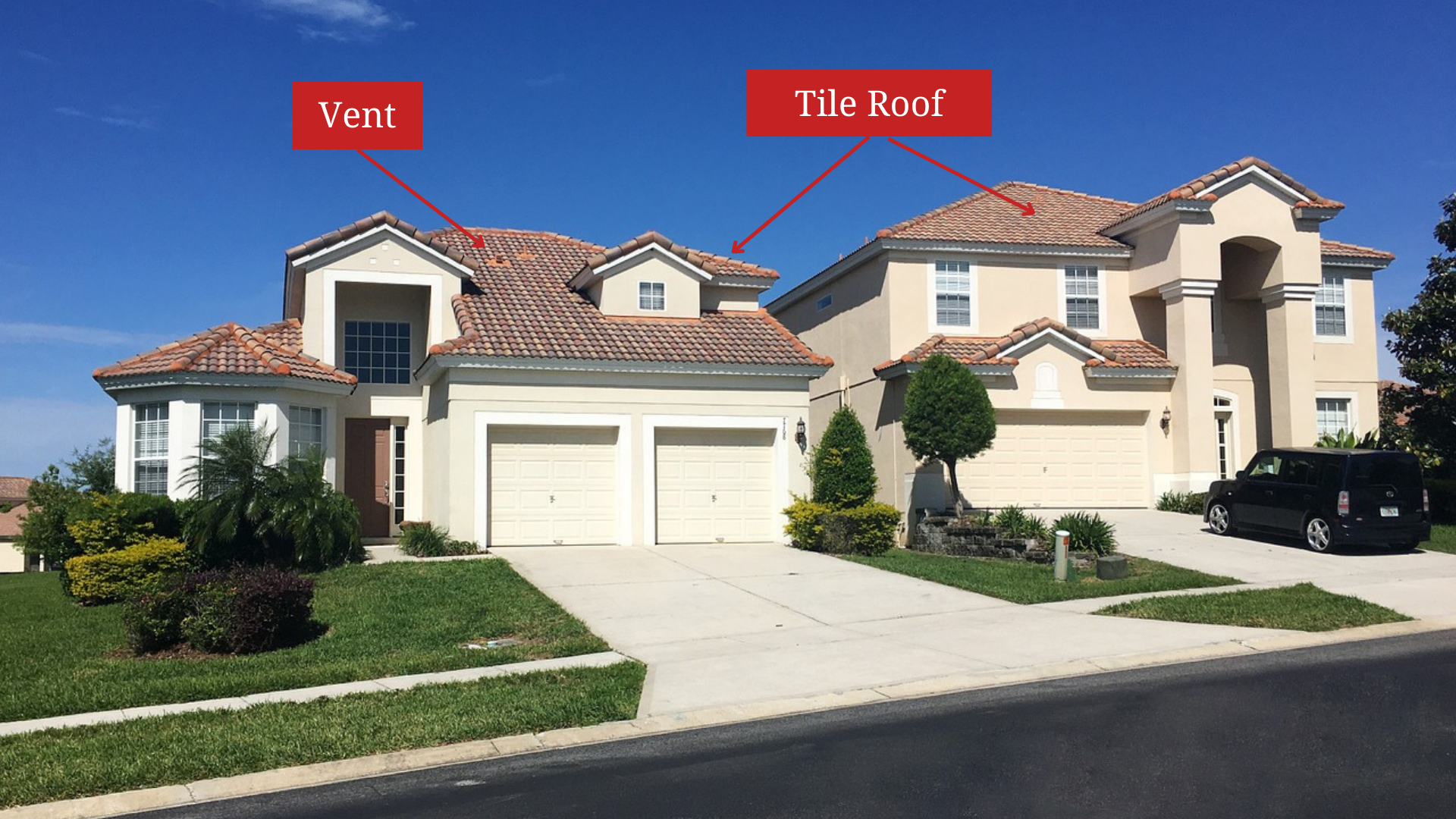
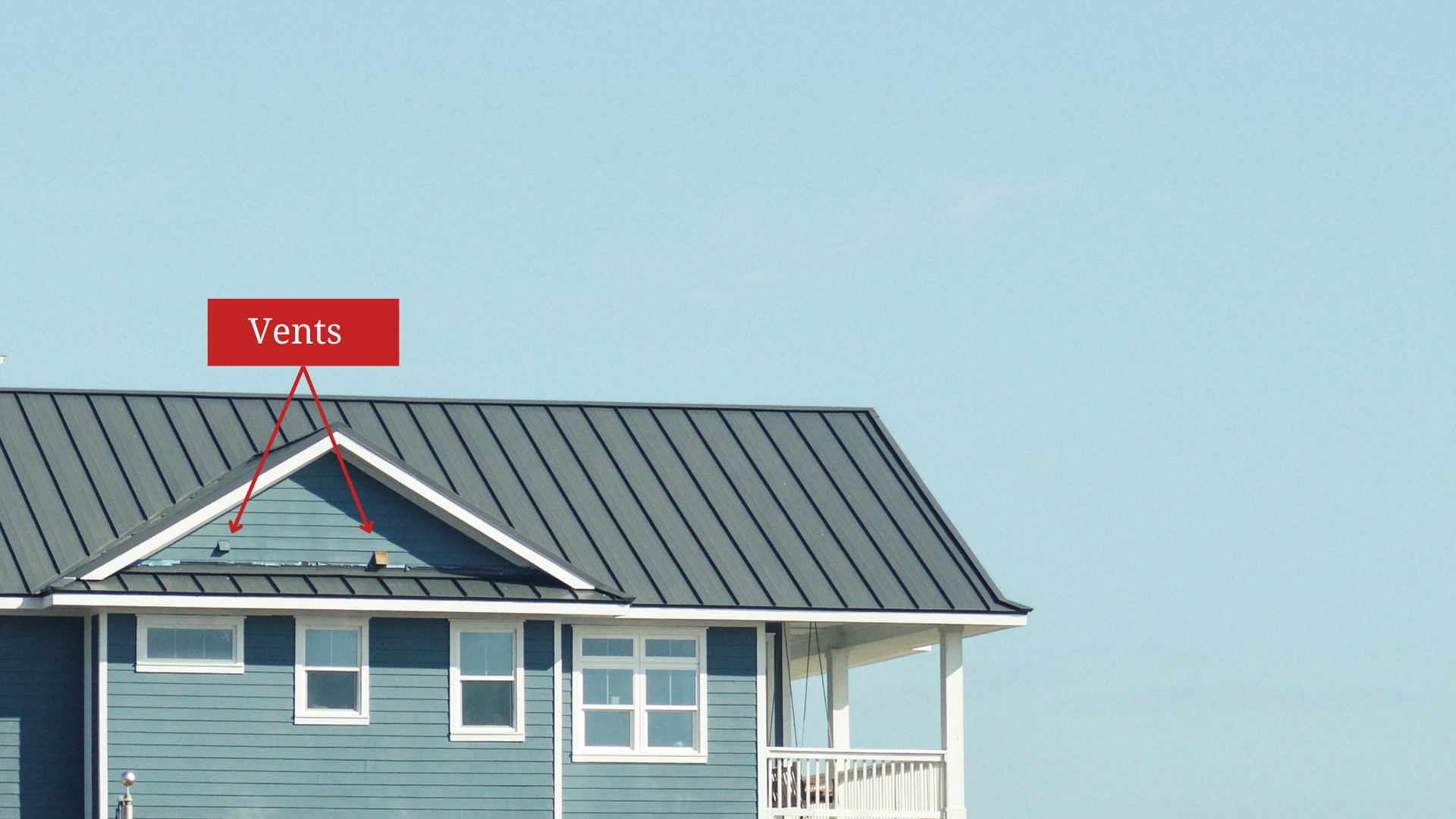
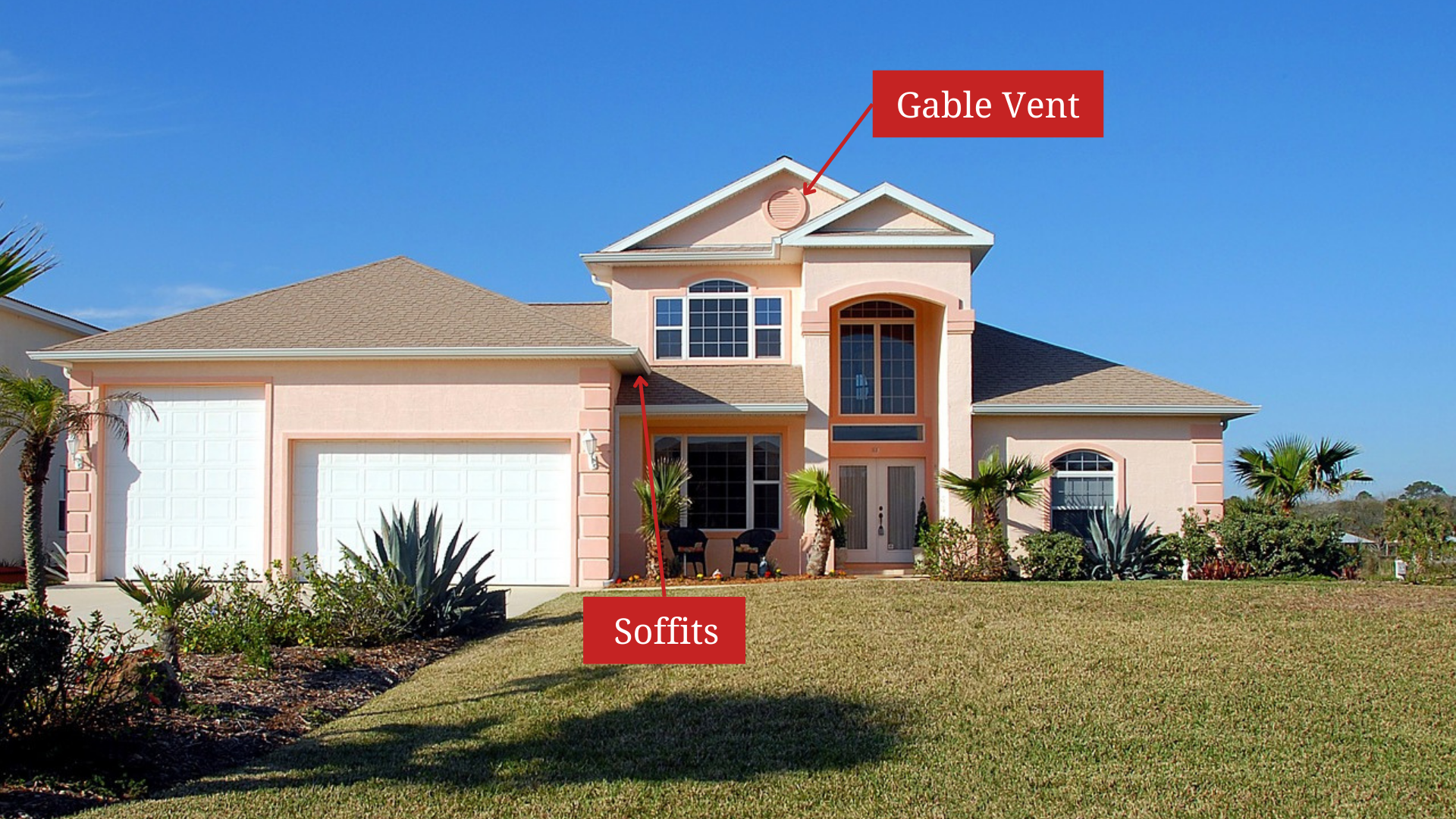
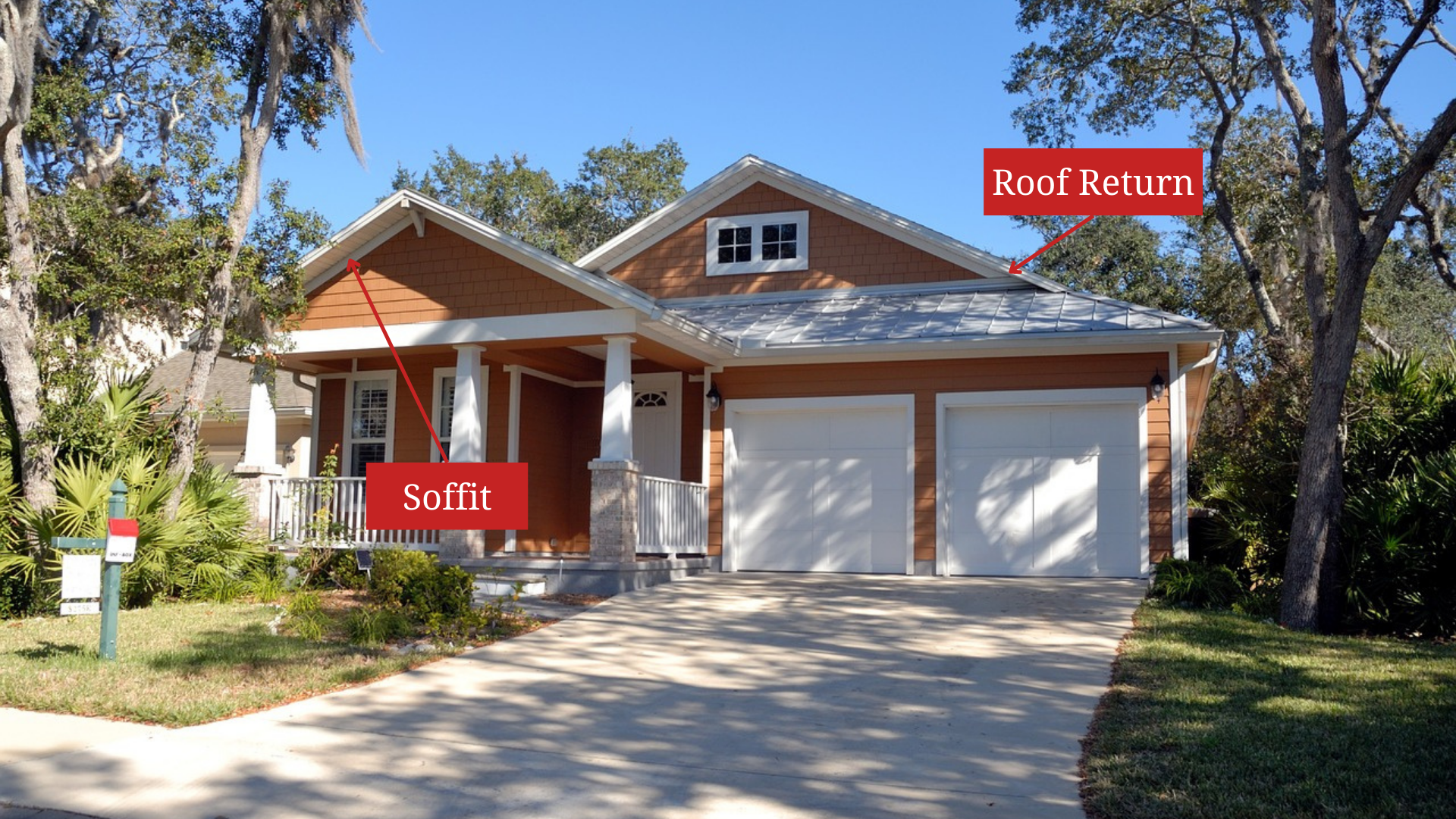
When raccoons decide to den in attics, they can cause significant property damage. They can create entry points through soffits, gable vents, roof returns, roof vents, and shingles. Once in your home, they will use available materials like insulation to create dens. They also destroy home gardens, birdfeeders, and make messes of trash cans and garbage bins.
They establish latrine sites that can pose serious health risks if located on your properties. Raccoon feces carries Baylisascaris procyonis (raccoon roundworm) which can spread to people and pets.
In addition to raccoon roundworm, raccoons spread diseases and parasites like rabies, tularemia, giardia, salmonellosis, canine distemper, and leptospirosis.
Ectoparasites like fleas, ticks, lice, and mites can live on raccoons. These parasites can find news hosts once they have been introduced inside your house.
How We Get Rid of Raccoons Safely

Full Inspection
There's a reason we have 40 foot ladders on each truck! Rest assured to know we inspect every nook and cranny on your house to find signs of raccoon activity and identify all damage and points of entry.

Raccoon Removal
Using the most effective methods, we humanely remove the raccoon from your attic, walls, crawlspace, or roof.

Prevention & Control
The job does not stop at raccoon trapping. Raccoon exclusion services are the most effective raccoon control. Keep raccoons out by blocking their re-entry.

Remediation
We apply treatments to the affected areas that exterminate pests like ticks, fleas, and mites. Our sanitization agents will disinfect raccoon latrines. In extreme cases, we can conduct a full attic restoration.
How Raccoons Get in the House

Raccoon in Attic Removal
Raccoons are excellent climbers. They use tree limbs, downspouts, or even siding to gain access to your roof. Once on your roof, entry points include shingles, loose soffits, eaves, vents, or roof returns. Once inside, damage caused by raccoons in the attic includes building dens and creating latrine sites. Both activities destroy the attic’s insulation.
The best way to get rid of a raccoon is a trap. We secure the raccoon trap and set it away from anything you do not want to be destroyed. We place traps in an area where raccoons frequent. Because the raccoon trap needs to be checked, we do place it in a somewhat accessible location.
Raccoon in Chimney Removal
Raccoons commonly nest in chimneys. While many homeowners place specialized caps on their smokestacks for this very reason, raccoons are able to gain entry by removing them manually. As raccoons commonly break into chimneys to raise young, noises like squeaking, purring, rustling, and whining are often heard through the night when infestations are present.
Since the pests become hostile if threatened or cornered, individuals should use extreme caution when confronting raccoons in chimneys. Never open the fireplace to try and catch a raccoon.
We set a trap at the top of the chimney, and if need be, hand remove any juveniles.
Raccoon on Roof Removal
Raccoons often access rooftops by climbing trees, siding, and drainage pipes. Raccoons can establish latrine sites on your roof, and females will search for a more secure place like your attic to give birth.
Preventing raccoon access to roofs is difficult, as these clever creatures can climb up just about any surface, but there are ways our professionals can reduce the odds. From metal flashing and tree trimming, to regular inspections, Trutech Wildlife Service has the experience to repair roof damage and prevent future infestations.
Raccoon Inside the Wall Removal
A female raccoon in the attic can look for more secure places to establish a den. Wall voids are secure and secluded. Homeowners will clearly hear the noises raccoon kits make.
If juveniles are present, raccoon eviction fluid has been effective. Othertimes, the experts at Trutech Wildlife Service will set a trap to catch the female and then hand remove the kits.
Occasionally, a raccoon falls down a wall void and cannot climb out. If you hear the distressed noises of an animal, you will need to remove it as quickly as possible. A trapped raccoon can die
Raccoon in Basement Removal
Basements and crawlspaces are popular places to find nuisance wildlife. Common basement entry points include gaps where utility cables and pipes run into homes, holes near building foundations, open vents, and furnace chimneys. Crawlspaces usually have a simple latch to close the door. Raccoons are smart enough to open that door.
Raccoon in Trash
Raccoons are agile and clever animals that like to break into trash bins for food using any means necessary. They are able to tip over smaller garbage cans and spill the contents on the ground or undo loose-fitting latches and lift unsecured lids to reach inside and pull out trash. Finding trash strewn about lawns is the most damming evidence that raccoons have recently raided garbage bins. Property owners may also find the pest’s distinctive tracks around receptacles.
Why Chose Trutech Wildlife Service
- Guaranteed services
- Over 40 years of experience
- Licenses & insured experts
- Financing available
At Trutech Wildlife Service, we pride ourselves on offering humane raccoon removal services that prioritize the safety of you and your family, your property, and the animal.
Our team of experienced and certified technicians uses humane and eco-friendly methods to ensure a safe and effective removal process. We provide a comprehensive service that includes thorough inspection, humane removal, meticulous damage repair, and proactive prevention measures.
When you choose Trutech Wildlife Service, you can trust that we will handle your raccoon problem with the utmost professionalism and care, giving you peace of mind and a raccoon-free home. Contact us today for a free quote and let us help you reclaim your space.
Some Geographic Restrictions
Frequently Asked Questions
Common signs include loud thumping noises at night, damaged soffits or roof vents, strong odors, and visible raccoon tracks or droppings.
Yes. Raccoon removal is performed using humane methods and follows all Florida wildlife regulations.
Yes. Raccoons can tear insulation, damage ductwork, chew wiring, and contaminate attics with droppings and urine.
Yes. Exclusion services are provided to seal entry points and install wildlife-proof barriers to prevent raccoons from returning
Raccoons typically cause problems by rummaging through garbage cans, raiding pet food, and disrupting quiet neighborhoods at night. However, like most wildlife, raccoon behavior may turn aggressive when these pests feel threatened.
Raccoon teeth and claws are sharp, and these powerfully built animals can reach up to 20 pounds in weight. As a result, a raccoon attack, though rare, can be dangerous to people, cats, and dogs.
The experts at Trutech first identify the extent of raccoon activity to help them create an effective removal plan. They aim to create the safest and most humane way of raccoon removal, which will likely involve using a custom trap.
When trapping, our technicians place safe and humane cage traps in areas where raccoons frequent, usually on concrete or dirt, if possible. Because traps must be checked regularly, they must be placed where they can easily access them.
Raccoons have extremely dexterous front paws with long nails that help them destroy everything they can get their hands on when trapped. For example, the lawn underneath the trap and nearby flowers or shrubbery will likely be damaged if accessible. Never go near the trapped animal to avoid getting scratched or clawed; let Trutech handle it with their safety gear.
Our experts will know exactly what to do with the raccoon after its capture. They may need to deliver it to the local wildlife department for rabies testing or obtain permission to relocate it to another property.
Many factors determine raccoon removal costs, including location, the raccoon’s condition, the type of property, the number of raccoons involved, and the time of year. You should never try raccoon removal by yourself. You may violate local or state laws and regulations, contract a disease by getting bitten or scratched, or cause further damage to your property.
We offer in-house financing for raccoon removal so you don’t have to wait. We can start the same-day we get there. Service now, pay later.
At the first sign of raccoon activity, contact Trutech for a free quote that includes inspecting your property, removing the raccoon, and implementing exclusions so you don’t have to worry about raccoon infestations in the future.
Raccoons won’t necessarily go away independently, especially if they have access to food and water nearby. They may leave temporarily to visit another den but return. Unfortunately, you will have to convince a raccoon to move away permanently. Working with professional wildlife control experts like Critter Control is the best way to do this.
Our technicians have traps and equipment for effective, humane removal practices. They ensure your safety and the safety of the raccoon. After removal, they implement exclusions to prevent future raccoon encounters.
Thumping, rustling, and scratching sounds coming from the attic are clear indications of animal infestations. Raccoons are especially playful and like to tumble about, making loud noises that disturb residents. Young raccoons also like to chatter and chirp when calling for their mothers. Additionally, while raccoons generally dispose of waste away from nesting sites, they may let their droppings and urine collect in attics. The overwhelmingly foul smell quickly permeates houses.
There are a number of diseases that people can be exposed to by coming in contact with raccoons. The common ones include rabies, leptospirosis, and baylisascaris infection. These raccoon diseases have symptoms like pain, fatigue, fever, vomiting, and diarrhea that mimic the flu, making many victims underestimate the need to seek medical attention. Left untreated, more serious ailments like organ failure can develop.
Property owners may be alerted to the presence of raccoons under decks through various sights, sounds, and smells. The pests designate an area to eliminate waste, known as raccoon latrines, that smell abhorrently and contribute to the spread of disease. Finding a latrine in the yard is a sure sign of infestation. Additionally, raccoons make scratching noises and vocalizations throughout the night that may keep residents awake. The presence of tracks around private properties also points to the existence of raccoons under decks. Finally, individuals can test for the presence of the pests by situating a few sticks just outside deck openings. Placing them so that no animal could move through without disturbing the sticks allows for safe raccoon detection.
Since they are voracious and messy eaters, raccoons leave behind telling signs of their presence. In the search for bits of digestible food, the pests discard paper products, plastic bags, and similar pieces of garbage. Therefore, when property owners are dealing with raccoons in trash, they’re likely to wake up to debris strewn about their yards. Additionally, given the prospect of a steady food source, raccoons will construct nests nearby. Individuals may also be alerted to raccoons in the trash by the sighting of adults, tracks throughout lawns, and the odorous presence of raccoon latrines.
Though sightings of the pest are rare given their nocturnal nature, property owners are able to detect the presence of raccoons in trees many other ways. For instance, raccoons often leave tracks in the dirt around the base of trees they’re living in. These tracks are distinct in their resemblance to tiny human hands. Their claws, which make them excellent climbers, are used to scratch trees, walls, and fences, and finding scuffed paint and tree bark typically points to raccoon infestations. At night, residents may hear chattering, growling, or snarling sounds. Finally, the presence of droppings at the base of trees points to the existence of raccoon populations in the area.