Need Immediate help? Call now! 855-854-2679

Need Immediate Help? Call Now!  855-854-2679

Call us to get started 855-854-2679

Identify Types of Squirrels in South Carolina

Some of the more charming rodents we might come across on a daily basis, squirrels are bushy-tailed rodents that are found all throughout South Carolina.

Squirrels can be found year-round, though they are most active during the spring and summer months. Squirrels mate in late winter as well as in the spring/mid-summer, and their gestation period is about 4-6 weeks. Squirrels frequently nest in human structures to give birth to their young because they provide shelter and are almost always located near food sources.

Types of Squirrels in South Carolina

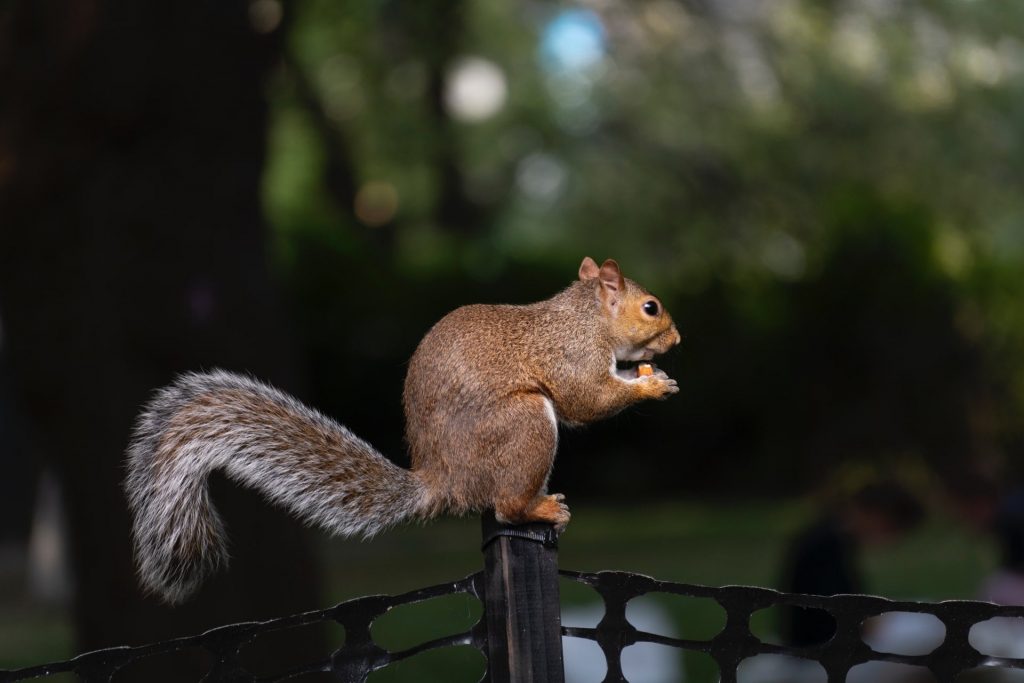
Eastern Gray Squirrel


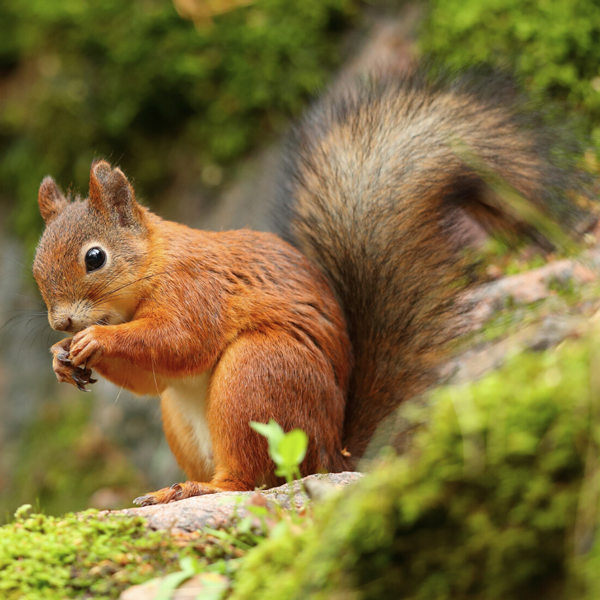
Red squirrel on tree

American Red Squirrel

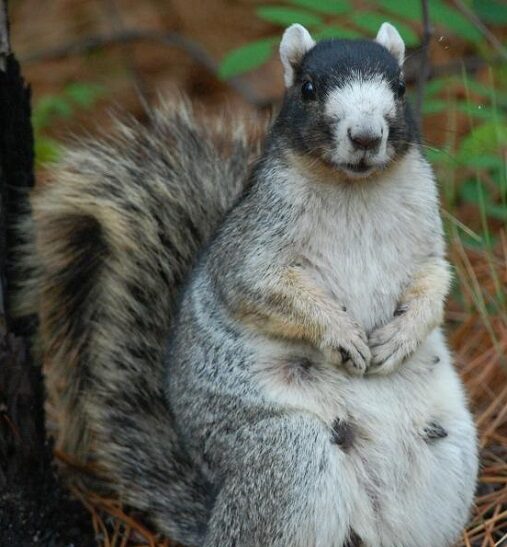
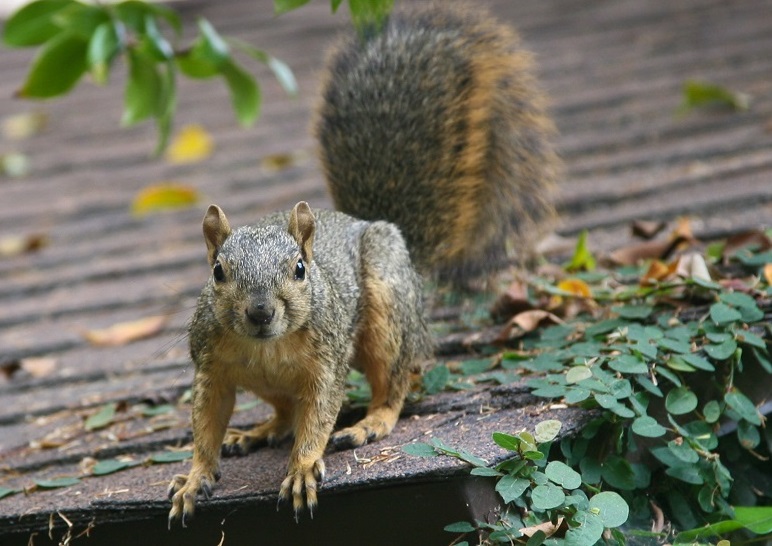
Fox Squirrel

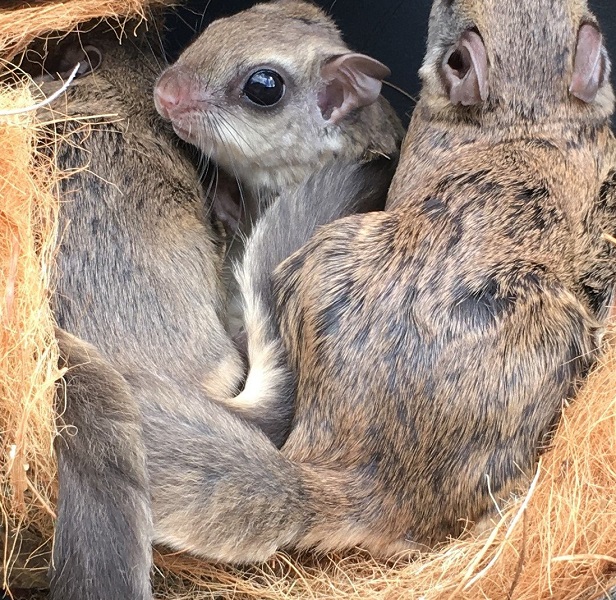
South Carolina is home to four types of squirrels. The most common species is the Eastern Gray Squirrel. Gray and red squirrels are found throughout the state. Fox squirrels are in the northwestern and south-central parts of the state. Red squirrels typically live in the upstate.  Gray, red, and fox squirrels are active during the day, but flying squirrels are nocturnal.  
Species Scientific Name Habitat Nuisance Level Seasonal Activity
Eastern Gray Squirrel Sciurus carolinensis Hardwood forests with mast; residential areas High Year‑round; diurnal
American Red Squirrel Tamiasciurus hudsonicus High‑elevation coniferous forests Low Year‑round; diurnal
Fox Squirrel Sciurus niger Mixed longleaf, loblolly & shortleaf pine with hardwoods; bottomlands Moderate Year‑round; sightings peak spring
Southern Flying Squirrel Glaucomys volans Mature forests with cavities Moderate Nocturnal; year‑round
If you observe squirrels entering or exiting your roofline, do not ignore the activity. Squirrels cause significant property damage by gnawing on electrical wiring, wooden support beams, and PVC piping. This behavior presents a direct fire hazard and risk of water damage.

Identify Squirrel Damage in South Carolina

Squirrels can cause a great deal of damage to both the interior and exterior of your home.

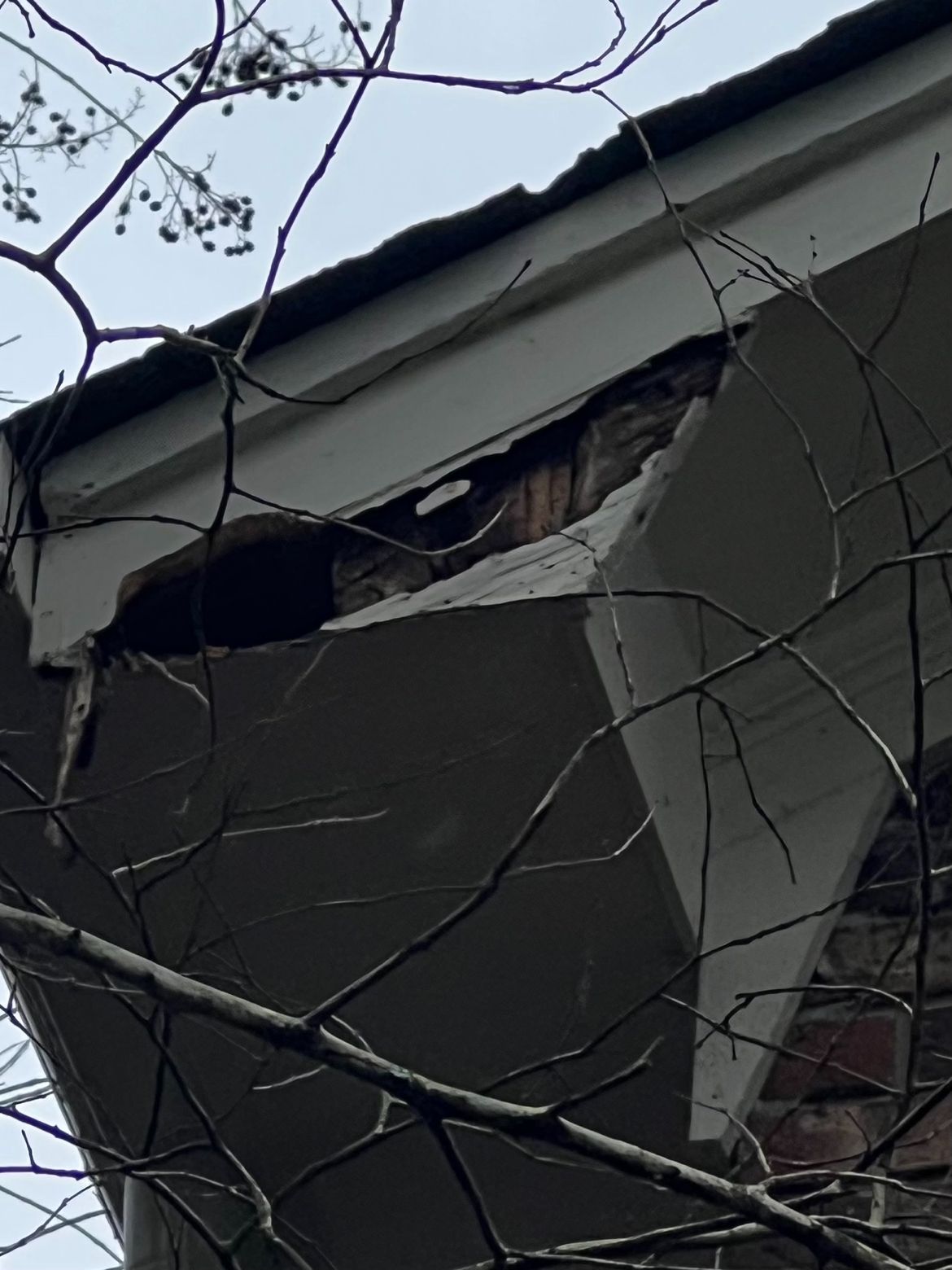
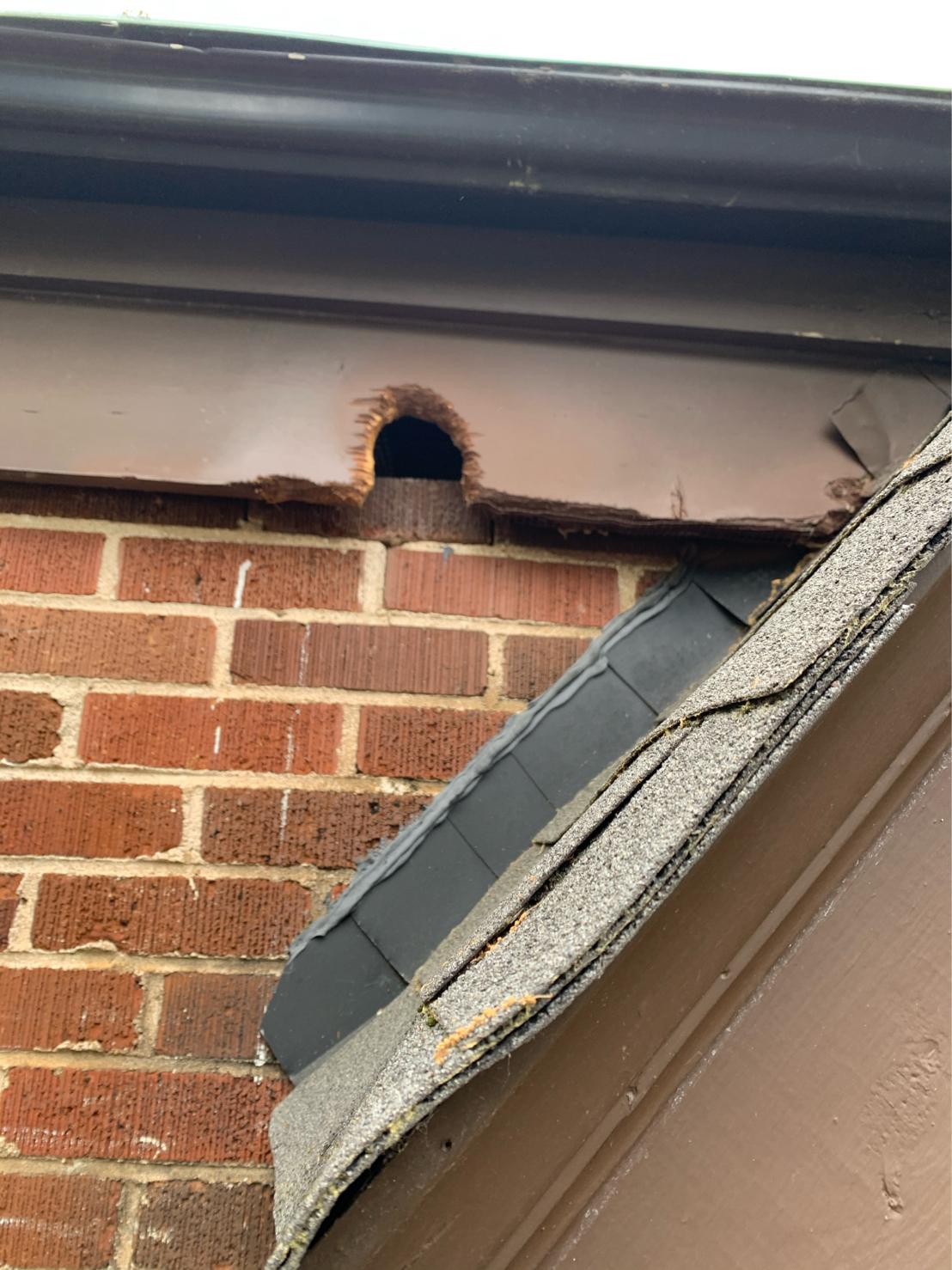
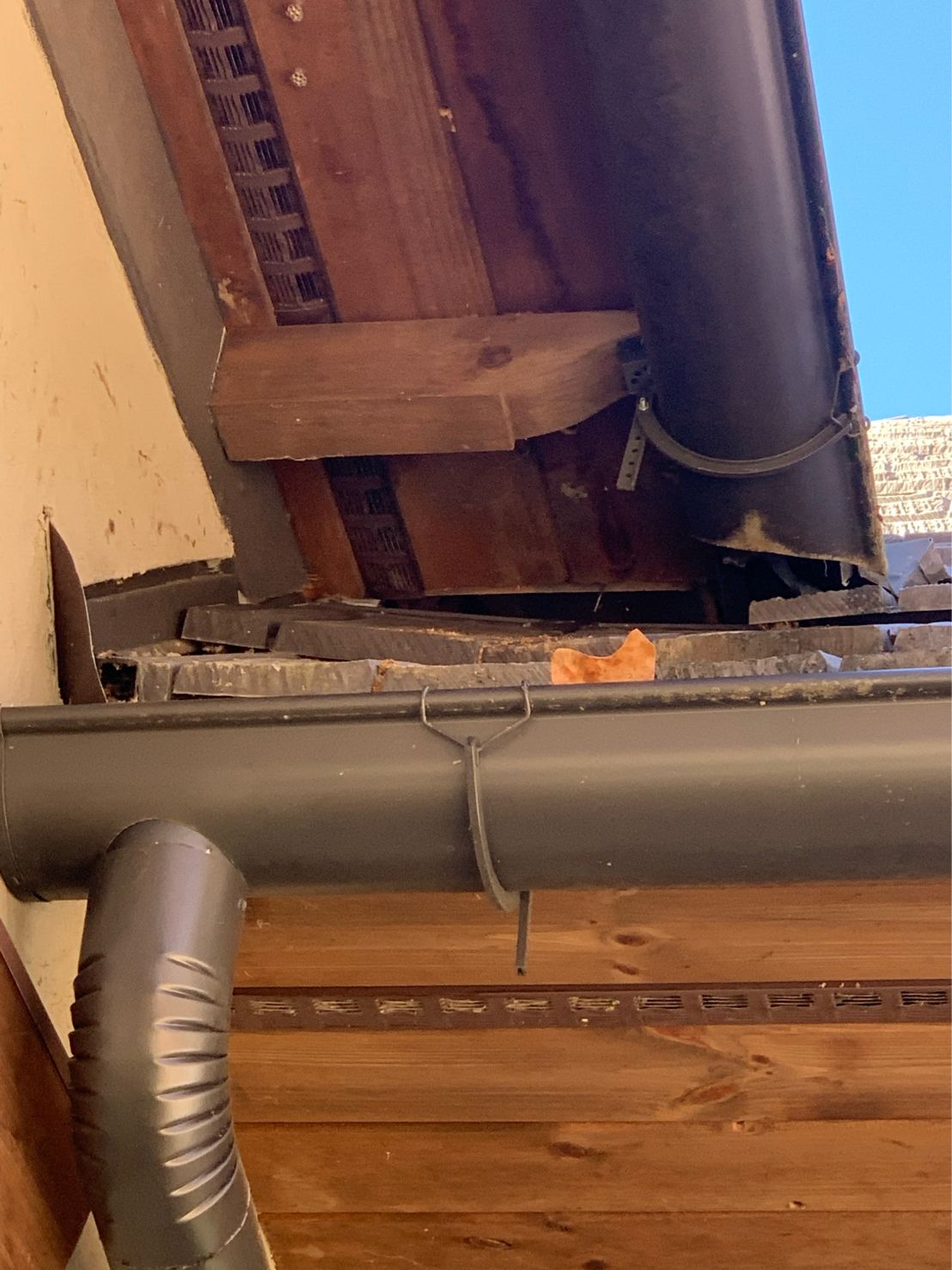
Squirrels’ damage usually comes from their chewing and gnawing. Squirrels can squeeze through a hole the size of a golf ball. Squirrels can chew through siding, wood, metal, and shingles to gain access to your attic. 

Once inside your home, squirrels damage attics by chewing wires, ripping up insulation and defecating in the attic.

How to Identify Squirrels in Attics

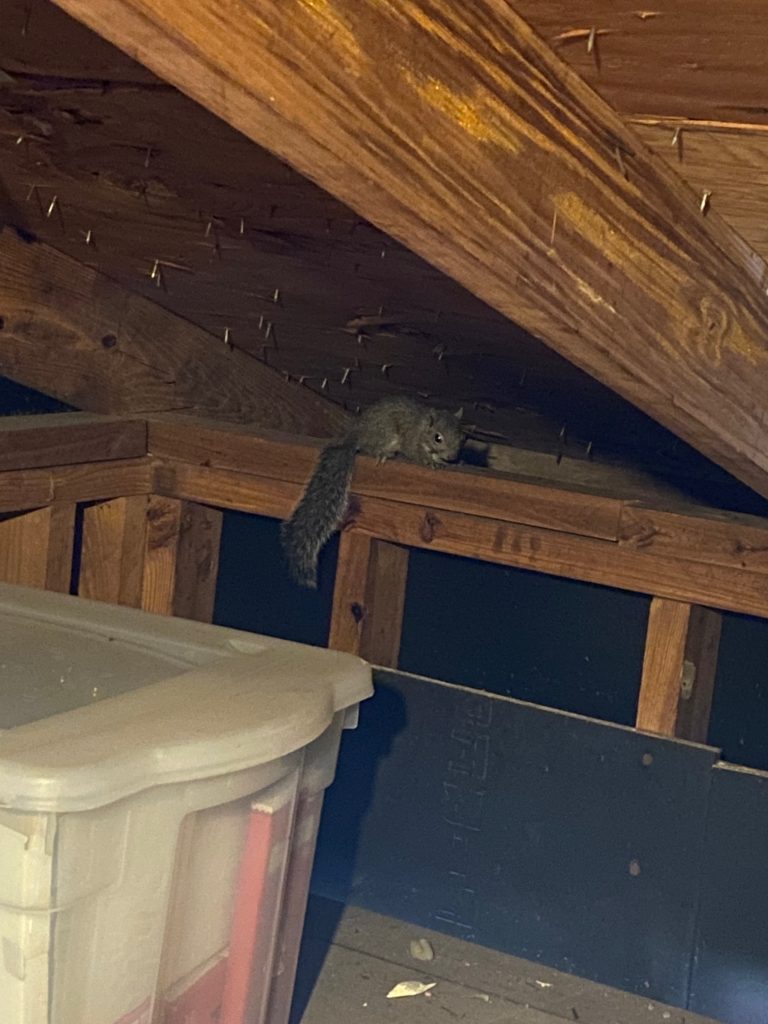
Squirrel in Attic in Charleston

It is not uncommon for squirrels, especially adult females, to build nests in attics. Attics provide mother squirrels a stellar location to raise their young because:

  • Warm and dry

  • Elevated from predators

  • Chock-full of squirrel nest construction materials

Inside an attic, squirrels can build a nest with shredded paper, cardboard, fabric, and bits of insulation.

If you come across a squirrel nest in your attic, do not approach. Squirrels are wild animals and can be dangerous.

Squirrels are well known for nesting in attics, as they provide a safe hideaway for squirrels to raise their young. The inside of an attic is also full of things for them to nibble and sharpen their ever-growing teeth on, like wood and insulation. 

When a squirrel chews the insulation on electrical wiring, the possibility of a house fire arises. 

Other Ways to Identify Squirrels in the Attic

  • Scratching and Scurrying Noises: The number one complaint from homeowners about squirrels is strange noises early in the morning or at dusk. They search for food like acorns during the day, so they leave in the morning and return at sunset.

  • Squirrel tracks: You can usually find squirrel tracks in dust along air ducts and pipes in the attic. Squirrel tracks are relatively small, at about two inches in length. Squirrels have front paws with four narrow toes tipped with tiny claws. A squirrel’s larger rear paws also feature five distinct toes with a large pad at the heel.
  • Entry Points and Damage to the Exterior of the Home: Squirrels only need a gap about 3 inches wide. Squirrels can gnaw through most home construction materials like wood, vinyl siding, shingles, and even aluminum.

  • Odor: A distinct, pungent smell of urine and feces concentrated in specific areas.

Call Trutech in to Get Squirrels Out

To effectively get rid of squirrels, the wildlife technician will employ a variety of tactics such as live trapping, one-way doors, deterrents, and direct capture. After removal, you need to seal all entry points to keep them out.

Trutech offers recurring programs to safely and humanely keep squirrels from causing a problem on your property. At the time of each service, we thoroughly inspect a property for any new damage or openings.

Squirrels can be very persistent. They are rodents, and they constantly need to chew in order to keep their teeth trimmed. Squirrels can chew through materials like wood, aluminum, plastic, and drywall. For this reason, it is important to maintain a squirrel-free home even after properly sealing a property. For guaranteed peace of mind solutions, call your Trutech Wildlife today.
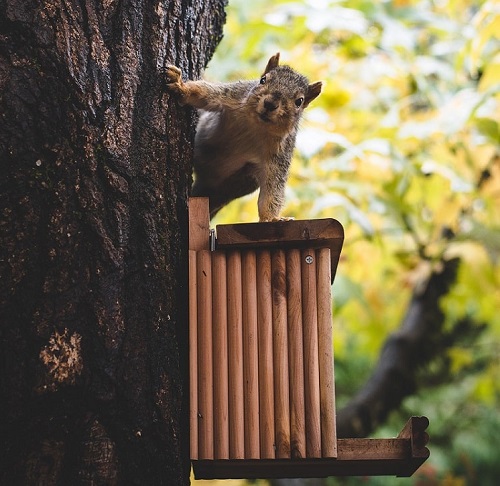
Squirrel Removal in South Carolina

Latest Posts

Categories

Thank you for subscribing! We'll be in touch.